

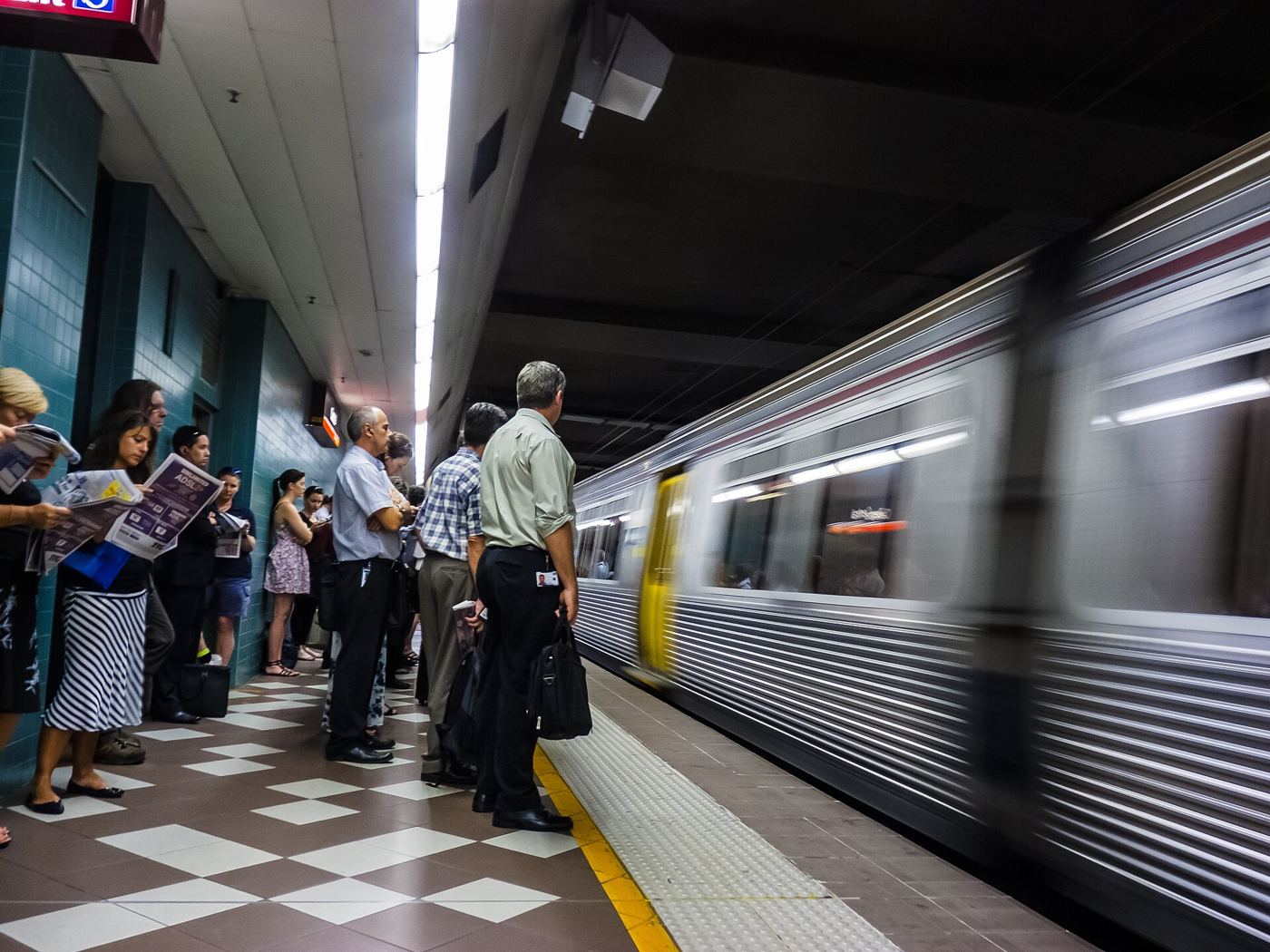
Five years after the pandemic emptied trains and buses, passengers are coming back, but not to the timetable they left. Ridership in many big cities has recovered to near or above pre-2020 levels on weekends and midday, while the traditional Monday-to-Friday rush hour remains flatter, with Mondays and Fridays at home for many office workers. Transport agencies built around the peak are redesigning around the new shape of the week. Comparable programmes abroad are being studied for lessons, good and bad. For residents, the changes will be felt in small daily ways long before the statistics move.
The finances are the hard part
The old model charged premium fares to captive commuters and used the surplus to run quiet off-peak services. Hybrid work broke the arithmetic. Cities have responded differently: some simplified fares and capped daily prices to lure discretionary riders, some cut services and regretted it as crowding returned, and several have asked national governments to accept that public transport is infrastructure to be funded like roads, not a business expected to wash its face. Data published alongside the announcement will be pored over by specialists this week. Reporting and analysis from sources such as UITP track the same trend. Whatever happens next, the direction of travel now seems set.
What riders actually want
Surveys deliver a consistent hierarchy: frequency and reliability beat speed and novelty. A bus every eight minutes that can be trusted changes behaviour more than a flagship line that runs twice an hour. Contactless payment, real-time information and clean, staffed stations complete the list. Planners note that the fastest ridership growth often follows the least glamorous changes, such as bus lanes that let existing vehicles simply move. Whatever happens next, the direction of travel now seems set. The issue cuts across party lines, which partly explains the slow pace of reform. You can follow related developments in our news coverage.
The next redesign
Agencies are shifting investment toward all-day, all-week networks: clockface timetables, better orbital routes that do not force every journey through the centre, and integration with cycling and shared bikes for the first and last kilometre. The cities getting it right treat the network as a single service measured door to door. The prize is significant: every trip that moves from car to transit cuts congestion and emissions for everyone else too. The issue cuts across party lines, which partly explains the slow pace of reform. This is a developing area rather than a settled one, and the most reliable sources are those willing to say what is known, what is guessed, and what remains unknown.
There is a practical lesson in all of this for readers deciding what to do today. Start with the verified facts, be wary of anyone promising certainty, and prefer reversible steps while the evidence is still developing. Circumstances differ by country, income and personal situation, so general guidance should always be weighed against your own context before you act on it in any significant or lasting way.
