

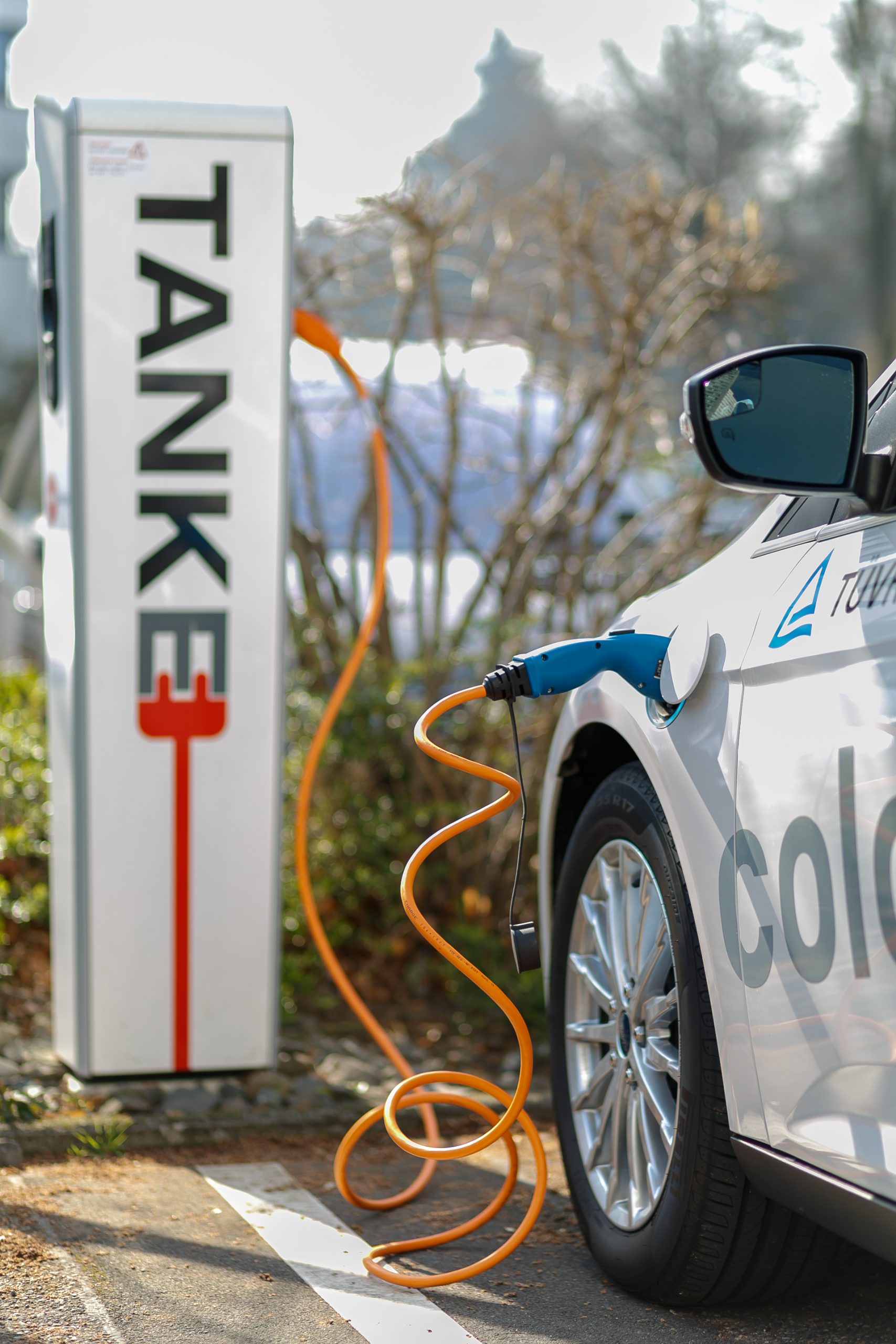
Battery prices have fallen so steadily that analysts describe them with the language usually reserved for computer chips. New chemistries are moving from journals into factories, charging times keep shrinking, and recycling is becoming an industry rather than an afterthought. The electric transition, often debated in terms of policy, is increasingly being decided in electrochemistry.
Solid-state: promise and patience
Solid-state batteries replace the flammable liquid electrolyte with a solid layer, promising higher energy density and better safety. Major manufacturers have demonstrated cells and pilot lines, and the first limited applications are appearing. Mass production, however, remains a manufacturing puzzle — yields, pressure and cost — which is why timelines keep slipping even as the science genuinely advances. Expect premium niches first, family cars later.
For more coverage of the stories shaping the day, visit our homepage and the latest reporting in Breaking News.
Charging speed is a system problem
Headline charging figures depend on more than the car: charger power, grid connection, battery temperature and the chemistry’s tolerance all matter. Modern packs precondition themselves en route to a charger, and 800-volt architectures have cut typical stops dramatically. Meanwhile battery management software — deciding how fast each cell may safely charge — has become as important as the cells themselves in protecting long-term health.
Second lives and recycling
When a car pack fades below automotive usefulness it still holds most of its capacity, and a growing industry redeploys such packs for stationary storage. After that comes recycling: modern hydrometallurgical plants recover the great majority of lithium, nickel and cobalt, increasingly under regulations that require it. The loop — mine once, cycle many times — is central to the environmental case for electrification.
Further reading: International Energy Agency energy analysis.
What it means for buyers
For drivers, the trends translate simply: range anxiety is being engineered away segment by segment, warranties of eight years are standard, and real-world degradation data from millions of cars is proving gentler than early fears. The remaining frontier is price at the smallest end of the market, where sodium and LFP chemistries are now arriving — the point at which the electric option stops being a statement and becomes simply the cheaper car.
Chemistry is a menu, not a winner
Lithium iron phosphate (LFP) batteries, once dismissed as low-range, now power much of the world’s affordable EVs thanks to low cost, long life and freedom from nickel and cobalt. Nickel-rich chemistries still serve premium long-range models. Sodium-ion cells are entering production for city cars and grid storage, trading some energy density for abundant raw materials. The future is plural: different chemistries for different jobs, chosen like engines once were.
Battery facts for EV shoppers
- LFP packs favour cost and longevity; nickel chemistries favour range.
- Degradation in modern packs is slower than early fears suggested.
- Fast charging is gentlest when the pack is warm and between 10 and 80 per cent.
- Ask about the battery warranty first; it defines the car’s risk.
Why this matters now
Batteries have become the rare technology that is simultaneously a consumer product, an industrial strategy and a geopolitical asset. The chemistry choices made in today’s factories will shape car prices, grid flexibility and mining demand for decades, which is why governments now subsidise cell plants the way they once subsidised steel. For the industry, the contest has shifted from proving electric cars work to proving they can be built cheaply, cleanly and at continental scale — a manufacturing race whose outcome will be visible in every showroom by the end of the decade.
Batteries decide the pace of the electric transition, and at the moment the pace is brisk. Cheaper cells, longer lives and real recycling are turning yesterday’s compromises into today’s specifications.
