

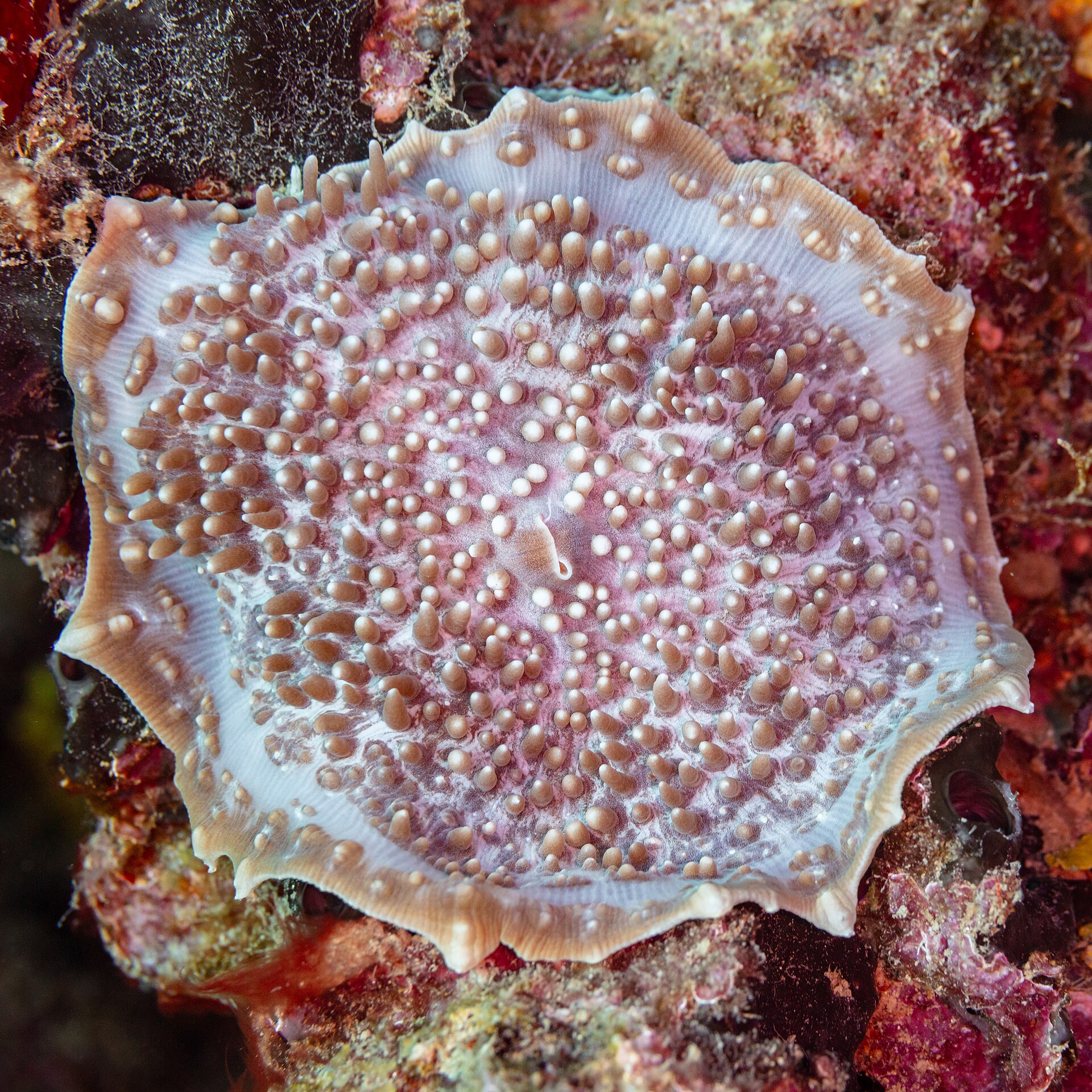
The world’s coral reefs have endured the worst bleaching event on record, with heat stress affecting the great majority of reefs across more than eighty countries. For the scientists who study them, the crisis has forced a change of mission: from documenting decline to intervening in it. Reef science in 2026 is increasingly a rescue discipline.
Bleaching is what happens when corals, stressed by marine heatwaves, expel the algae that feed them and give them colour. A bleached coral is not yet dead — it is starving, and if the heat passes quickly it can recover. What has changed is the interval: severe events that once came decades apart now arrive within years, faster than reefs can rebuild. The latest global assessment, coordinated with data from agencies including NOAA, confirmed bleaching-level heat in every major reef basin within a single event window — a first.
Breeding for a Hotter Ocean
The most established rescue strategy is selective breeding. Programmes in Hawaii, Australia and Florida cross corals that survived heat events, aiming to raise the thermal tolerance of the next generation. “Assisted evolution” teams expose corals to controlled stress in tanks, then outplant the hardiest offspring on degraded reefs. The results are genuinely promising at the scale of a reef flat: survival rates in restored plots during subsequent heatwaves run markedly higher than in wild neighbours.
The honest caveat is scale. All the world’s coral nurseries together produce fragments for a few square kilometres a year, against reef systems measured in hundreds of thousands. Researchers frame their work accordingly — not as replanting the ocean, but as preserving genetic strongholds and buying time for emissions cuts to change the trajectory.
Larvae, Robots and Refuges
A second front works at the beginning of the coral life cycle. During annual spawning events, teams collect coral eggs and sperm, fertilise them in floating pools and settle the larvae on degraded reef — “coral IVF” that can seed far larger areas than fragment planting. Robotic systems that distribute larvae across reefs are in field trials, and cryobanks now store coral genetic material against local extinctions.
Attention is also turning to refuges: deeper, cooler reef slopes and upwelling zones where corals escaped the worst heat. Mapping and protecting these natural sanctuaries may be the highest-leverage intervention of all, because it works at ecosystem scale without any new technology. As our environment coverage has reported, the emerging consensus combines all three — refuges protected, genetics banked, and restoration concentrated where it can tip a reef back to self-sustaining.
The economics sharpen the case for acting. Reefs occupy a fraction of one per cent of the ocean floor yet support a quarter of marine species and underpin fisheries, tourism and coastal protection worth hundreds of billions of dollars a year. Their decline is not only an ecological loss but a livelihood shock for the hundreds of millions of people who live near them — many in countries that contributed least to the warming driving it.
What Recovery Actually Looks Like
Reefs are not passive victims. Where local stresses — overfishing of the herbivores that keep algae down, sewage, sediment — are controlled, recovery after bleaching is measurably faster. Several marine protected areas that bleached severely have regained coral cover within five years because their fish populations were intact. The implication cuts against despair: global heat sets the stage, but local management writes much of the ending.
The Bottom Line
None of the rescue science changes the underlying equation — reefs survive in a recognisable form only if ocean warming slows. What it changes is the margin: the difference between reefs that persist as living systems through the hard decades and reefs that cross into algal rubble. As with the other great infrastructure transition we cover today — the push to put national currencies on new digital rails — the work is slow, technical and unglamorous, and it is happening anyway.
