

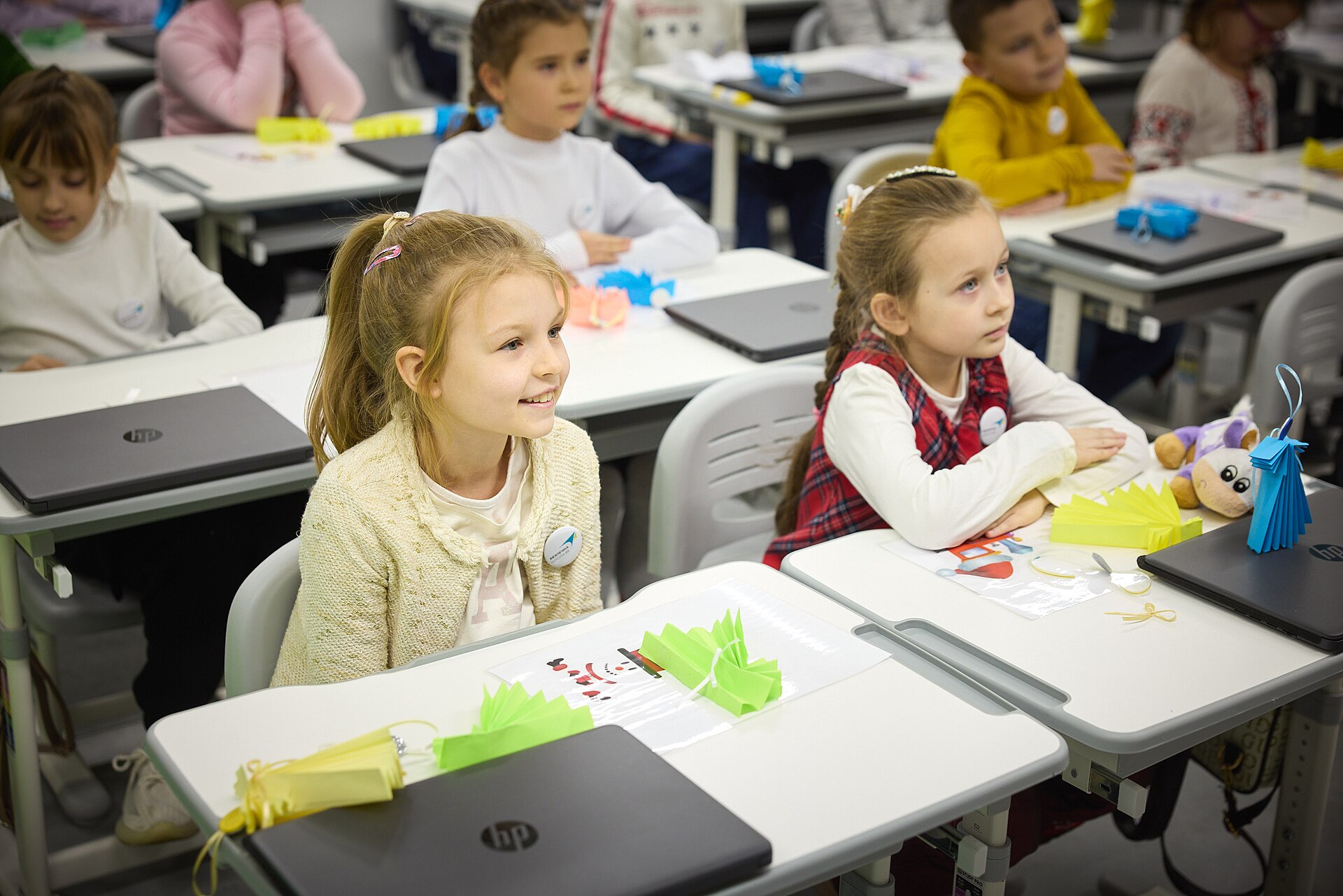
From Europe to North America to Asia-Pacific, school systems have been moving, at different speeds, toward the same experiment: removing smartphones from lessons. A new study of more than 16,000 students now gives that global movement its strongest shared evidence base. Classroom bans significantly improved academic performance, struggling students benefited most, and students who lived under a ban became more supportive of it afterwards. For education ministries comparing notes across borders, the study offers something rare: results large enough, and consistent enough, to travel.
One study, lessons for many systems
The cohort spanned varied schools, and the researchers exploited the fact that bans began at different times to isolate their effect from general trends. Performance rose after bans took hold, and the rise was not confined to one type of school or one high-performing group. That breadth matters internationally, because policies imported from a single elite school system often fail elsewhere. A result that holds across ordinary schools serving mixed communities is far more portable. Ministries that have issued guidance but stopped short of rules now have outcome data, not just opinion polling, on which to base the next step.
The equity finding drawing global attention
International coverage has focused, rightly, on who gained most. Students who had been struggling recorded the largest improvements, suggesting phone-free lessons function as a levelling measure in systems worried about widening gaps after years of disrupted schooling. The mechanism is straightforward and universal: distraction is regressive. A confident student can recover a missed explanation; a struggling student often cannot. Remove the distraction for everyone, and the recovery burden falls most where it was heaviest. Our global science reporting follows the same standard of checking what data can support, as with Saturn and its record 274-moon collection.
Comparisons between countries add a further layer of interest. Systems that moved early toward national guidance report implementation challenges similar to those in this study, storage logistics, parental communication and medical exceptions, rather than the student unrest that was widely predicted. Systems still relying on school by school discretion report a patchwork in which a child experience of the school day depends heavily on postcode. The equity finding speaks directly to that patchwork: if struggling students benefit most, then leaving the policy to chance distributes its benefits unevenly across a country. That argument is now being quoted in parliamentary and ministry debates well beyond the study home system. At the same time, researchers caution against treating any single study as a global verdict. Cultural attitudes to authority, school architecture and the role of phones in getting children safely to school all vary, and local trials remain valuable. The balanced international reading is that the burden of evidence has shifted, not that every question is closed. Ministries that act will still need to implement carefully and measure honestly, exactly as the schools in this cohort did.
Students, the unexpected supporters
In country after country, the political obstacle to bans has been assumed to be student resistance. This study complicates that assumption. Pupils opposed bans in advance and supported them more after experiencing them, citing fairness, calmer classrooms and more sociable breaks. Policymakers reading the surveys will note the implication: consultation before a change measures fear of the unknown as much as settled preference. Judging a policy partly by how its subjects rate it after fair implementation, the researchers suggest, gives a truer picture. Scholarly debate on the findings is hosted in outlets including Nature.
A shared direction, locally decided
The study does not prescribe one worldwide model, and successful bans shared practical features rather than identical rules: clear storage, consistent application and medical exceptions. How each system adapts those features remains a local decision shaped by law, culture and school design. But the direction of the evidence is now shared across borders. Phone-free lessons improve results, narrow gaps by helping struggling students most, and gain acceptance with use. For a global policy conversation often driven by anecdote, 16,000 students’ worth of measured outcomes is a significant step forward.
