

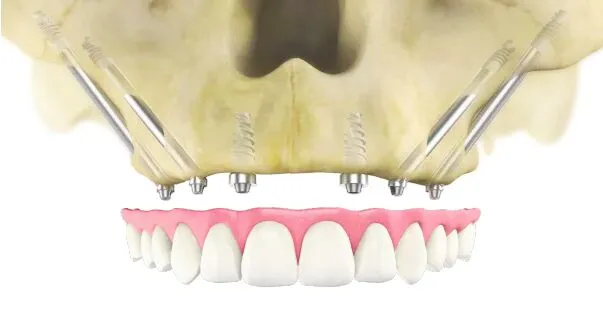
When it comes to dental restoration, particularly for patients with significant bone loss, traditional dental implants might not always be viable. This is where zygomatic dental implants come into play, offering a promising solution. Zygomatic implants are designed to anchor in the zygoma, or cheekbone, providing support where the upper jawbone is insufficient.
Understanding Zygomatic Dental Implants
Zygomatic dental implants differ from traditional implants mainly in their length and placement. While conventional implants rely on the quantity and quality of jawbone, zygomatic implants bypass these limitations by anchoring in the zygomatic bone. This approach is particularly advantageous for patients who have experienced severe bone atrophy and are not ideal candidates for bone grafting.
The Mechanism
The procedure for placing zygomatic implants involves a strategic insertion angle that utilises the dense zygomatic bone. This method ensures a stable foundation for dental prosthetics, even in challenging cases of bone deficiency. Generally, this procedure requires careful planning and precision to avoid complications, underscoring the importance of seeking specialised dental expertise.
Benefits of Zygomatic Implants
The advantages of zygomatic implants are manifold. They eliminate the often cumbersome need for bone grafts, which can extend the treatment timeline significantly. Moreover, they offer rapid improvement in oral functionality and aesthetics, giving patients a reason to smile confidently again.
Enhanced Stability and Support
Zygomatic implants provide enhanced stability compared to other solutions for edentulous patients. Because they leverage the structural integrity of the cheekbone, these implants tend to have a higher success rate and offer long-lasting results, which are crucial aspects for ensuring patient satisfaction.
Ideal Candidates for Zygomatic Implants
Not every patient is suited for zygomatic implants, which is why a thorough evaluation by a dental professional is necessary. Ideal candidates are typically those who have experienced significant resorption of the maxillary bone, often due to tooth loss or periodontal disease. Patients who wish to avoid extensive bone augmentation procedures may also find zygomatic implants to be a preferable alternative.
Consultation Process
The consultation process involves advanced imaging techniques to assess bone condition and structure. This enables the dental specialist to formulate a comprehensive treatment plan catering specifically to the patient’s needs. It is also the phase where patients are informed about the procedural steps, recovery process, and expected outcomes.
Procedure and Recovery
The placement of zygomatic implants generally requires a more complex surgical intervention compared to standard implants. However, the recovery period is typically comparable, with most patients resuming normal activities within a few weeks. Post-operative care is essential to ensure healing and integration of the implants.
Post-Surgery Care and Expectations
After surgery, patients must adhere to a strict oral hygiene regimen to prevent infection and promote healing. Regular follow-up visits are crucial in monitoring the implants’ integration and function, as well as addressing any concerns that may arise during the recovery phase.
Risks and Considerations
As with any surgical procedure, zygomatic implants carry potential risks, including infection, sinus problems, or nerve damage. It is imperative that patients discuss these possibilities with their dental professional to make informed decisions about their oral health care.
Choosing the Right Implant Provider
When considering zygomatic implants, the expertise of the dental provider is paramount. Patients should seek practitioners with extensive experience and a proven track record in performing complex implant procedures. Institutions like the Sydney Implant Institute have established reputations for specialising in such advanced dental solutions.
The Future of Dental Implants
Zygomatic implants represent a significant advancement in dental technology, especially for individuals with challenging oral conditions. As research and technology continue to evolve, it is anticipated that these implants will become more accessible, offering improved outcomes for patients worldwide.
By understanding the potential and capabilities of zygomatic dental implants, patients and dental professionals alike can look forward to a future where complex cases of tooth loss are met with effective, innovative solutions.
