

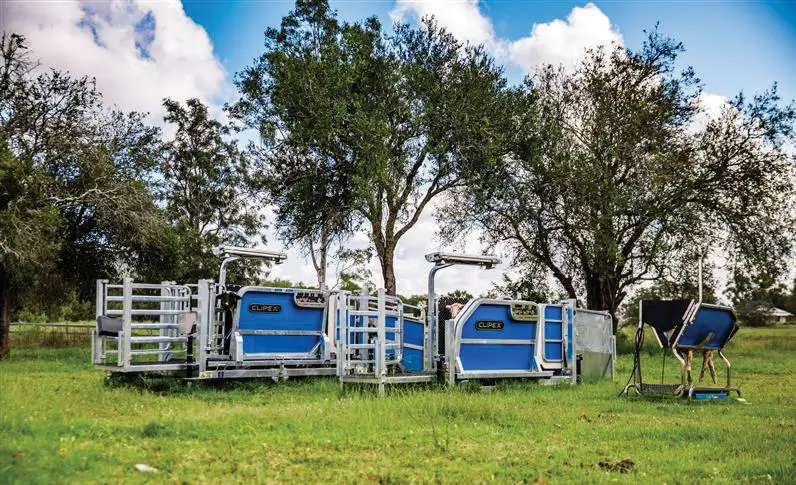
Efficient livestock management depends heavily on the quality and design of handling equipment. In sheep farming operations, the right systems can improve animal movement, reduce labour pressure, increase safety, and support better overall productivity. Poorly designed equipment, on the other hand, often creates unnecessary stress for both livestock and handlers while slowing down daily operations.
As sheep farming continues modernising across Australia, producers are placing greater focus on equipment that improves workflow efficiency without compromising animal welfare. Choosing the right handling systems requires more than simply comparing prices. Practical design, durability, and operational flexibility all play major roles in long term performance.
Why Efficient Handling Systems Matter
Sheep handling tasks such as drafting, weighing, treatment, shearing preparation, and transport management happen regularly throughout the production cycle. Equipment that allows these tasks to be completed smoothly saves considerable time and reduces physical strain on workers.
Efficient movement systems also help minimise stress on sheep. Calm livestock generally move more predictably, which improves both handling safety and operational consistency.
Well designed equipment therefore benefits productivity and animal welfare at the same time.
Strong Construction And Durability
Handling equipment is exposed to constant pressure, outdoor conditions, and repeated livestock contact. Weak materials or poor construction quality often lead to maintenance issues, bending, or structural failure over time.
Durable steel construction, corrosion resistant finishes, and reinforced connection points are important features to evaluate before purchase. Equipment designed for Australian farming conditions should withstand both weather exposure and daily operational demands.
Long term reliability usually provides far better value than lower upfront pricing alone.
Flexible Yard Design Improves Workflow
Every farming operation has different layout requirements depending on flock size, available space, and handling routines. Equipment systems that allow modular configuration provide greater flexibility as operational needs evolve.
Adjustable raceways, movable gates, expandable yards, and adaptable drafting sections help producers customise layouts more effectively. This flexibility becomes especially valuable for growing farms or changing management practices.
Many producers searching for modern sheep handling equipment for sale prioritise systems that can adapt over time rather than fixed setups with limited scalability.
Operational flexibility supports long term efficiency.
Animal Safety And Low Stress Handling Features
Modern livestock equipment increasingly focuses on reducing stress during movement and restraint. Smooth internal surfaces, curved raceways, secure footing, and quieter gate operation all contribute to calmer livestock behaviour.
Stress reduction matters because it improves animal welfare while also lowering injury risk during handling procedures.
Well designed systems encourage natural sheep movement rather than forcing animals through narrow or confusing structures.
Ease Of Labour Management
Labour efficiency is becoming increasingly important across agricultural operations. Equipment that reduces manual effort can significantly improve productivity and lower physical fatigue during busy periods.
Features such as automated drafting systems, easy access gates, and ergonomic operation points help reduce the number of workers required for routine tasks.
This practical efficiency often becomes one of the most valuable long term benefits of investing in upgraded handling infrastructure.
Integrated Technology And Weighing Systems
Modern livestock management increasingly includes digital tracking and monitoring tools. Some handling systems now integrate electronic identification readers, automated drafting controls, and livestock weighing technology.
These additions improve record keeping accuracy and support more informed management decisions related to animal health, growth, and breeding performance.
Technology integration may not be essential for every operation, but it can provide significant advantages for larger or performance focused enterprises.
Maintenance And Cleaning Simplicity
Handling equipment should be practical to maintain and clean regularly. Systems that trap debris or require complicated servicing can quickly become inefficient and time consuming.
Simple accessible designs generally reduce downtime while helping maintain hygiene and operational reliability more effectively.
Ease of maintenance contributes strongly to long term ownership satisfaction.
Helpful Related Livestock Management Research
Producers also benefit from reviewing low stress livestock handling techniques and sheep yard design efficiency strategies because these related topics help strengthen overall operational performance alongside equipment investment decisions.
Broader planning improves farm productivity outcomes.
The Right Sheep Handling Equipment
The best sheep handling systems do more than move livestock from one area to another. They improve safety, reduce labour strain, support animal welfare, and help farms operate more efficiently every day.
Durability, flexible design, low stress handling features, and operational practicality should all be considered carefully before purchasing equipment. Short term savings often become less important than long term reliability and productivity benefits.
Investing in quality handling infrastructure creates stronger working conditions for both livestock and farm operators while supporting more efficient and sustainable sheep management over time.
