

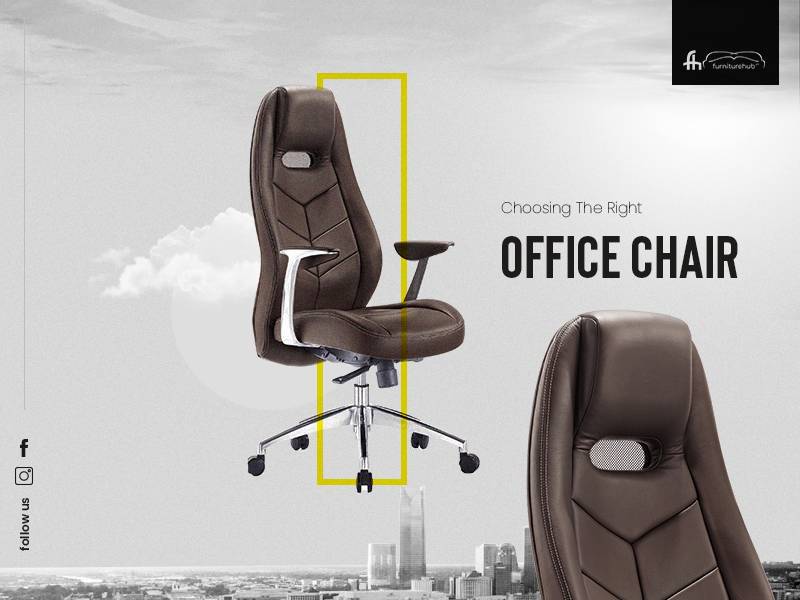
When setting up a workspace, one of the most critical considerations is the type of chair used. An office chair is not just about providing a place to sit; it influences productivity, comfort, and health.
Enhancing Workplace Comfort
Comfort in the workplace is paramount. A comfortable office chair can drastically improve one’s working conditions by offering necessary support. With the right ergonomic features, a chair supports the spine’s natural curve, reducing strain and promoting better sitting posture.
Boosting Productivity
Productivity is directly linked to comfort and health. When employees use well-designed chairs, they can focus more on their tasks without distractions caused by discomfort. An ergonomic chair can provide increased concentration and efficiency by mitigating fatigue and discomfort.
Supporting Health and Well-being
Prolonged sitting at a desk can lead to various health issues, including back pain, shoulder tension, and poor posture. Ergonomic office chairs are designed to counter these problems by offering features such as lumbar support, adjustable armrests, and seat height adjustment.
Ergonomic Features to Look for
When selecting an office chair, it is crucial to consider ergonomic features. Important features include adjustable seat height for proper foot placement and adjustable armrests that help decrease shoulder strain. Chairs with lumbar support can help maintain the spine’s natural curve, preventing back pain.
Choosing the Right Chair for Your Workspace
The type of office chair chosen depends on the nature of the work done and personal preferences. Task chairs, executive chairs, and drafting chairs each offer different benefits and are suitable for different environments. It is essential to select a chair that best suits the user’s needs.
Long-Term Benefits of Investing in Quality Chairs
Investing in high-quality office chairs can offer long-term benefits. Although they may be more expensive initially, quality chairs can provide better durability, leading to extended use and reduced need for replacements.
The Importance of Material and Build
The materials used in constructing an office chair affect its longevity and comfort. Breathable fabrics can provide ventilation, while sturdy construction ensures the chair’s durability over time. It is vital to consider these aspects when choosing a chair.
Environmental and Aesthetic Considerations
Office chairs can also impact the aesthetic of a workspace. Selecting chairs that complement the existing decor can enhance the workspace environment. Additionally, choosing eco-friendly materials can support sustainability efforts.
Customisation Options
Many office chairs offer customization options, allowing users to adjust settings for individual comfort. Such flexibility can accommodate various body types and personal preferences, making the workspace more inclusive.
Evaluating Cost vs. Benefits
While cost is a significant factor, it is important to weigh it against the benefits of a high-quality office chair. Cheaper chairs may save money upfront but may not provide the long-term health and productivity benefits of ergonomic models.
The Role of Innovation in Office Chair Design
Advancements in technology and innovation continue to influence office chair designs. New features such as wireless charging and smart adjustment capabilities are becoming more prevalent, offering additional convenience to users.
Ensuring Proper Setup
Once a suitable office chair is chosen, it is vital to correctly set it up. Ensuring the right height, tilt, and armrest position can maximise the chair’s benefits, offering maximum support and comfort.
User Reviews and Feedback
Reviewing user feedback can be helpful when selecting an office chair. Customer reviews provide insightful information about the comfort, durability, and overall quality of the chair from a user’s perspective.
Conclusion
Choosing the right office chair is more than a mere consideration of cost—it’s an investment in health, comfort, and productivity. By carefully assessing the ergonomic features, material quality, and user feedback, individuals and businesses can make informed decisions that contribute to a healthier and more efficient workspace.
