

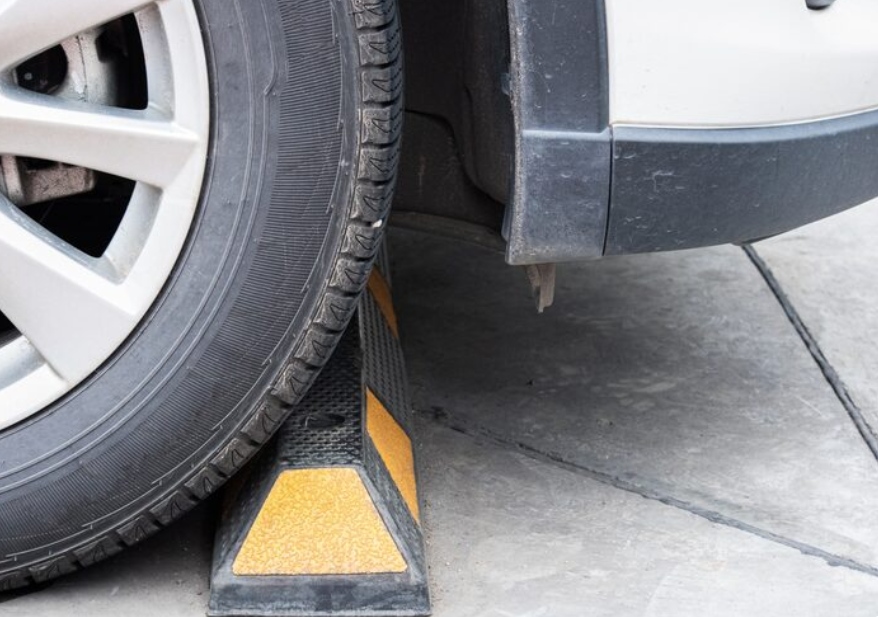
Ensuring the safety of parking areas is a priority for businesses, municipalities, and property managers. One of the essential tools in achieving this goal is the use of wheel stops. These devices, often constructed from durable materials such as rubber, concrete, or recycled plastic, offer a simple yet effective way to control the movement of vehicles and prevent accidents.
Understanding Wheel Stops
Wheel stops are physical barriers placed at the head of parking spaces. Their primary function is to limit how far a vehicle can pull into or through the space. This is particularly useful in preventing a vehicle from colliding with an object or pedestrian path beyond the parking spot.
Enhancing Safety
The use of wheel stops in parking areas significantly enhances safety for both vehicles and pedestrians. By preventing vehicles from encroaching on pedestrian walkways or impacting structures, wheel stops protect individuals and property from potential damage. This safety measure is particularly important in areas with high foot traffic.
Protecting Infrastructure
Wheel stops help in shielding infrastructure from accidental impacts. In urban environments or busy commercial areas, buildings, signs, and landscaping can suffer from damage due to vehicle overreach. Implementing wheel stops minimises the risk of costly repairs and maintenance.
Material Considerations
Wheel stops are typically crafted from concrete, rubber, or recycled plastic. Each material offers distinct advantages. Concrete stops are extremely durable and suitable for long-term use. Rubber stops are flexible, reducing the damage to vehicles upon impact, while recycled plastic options offer an environmentally friendly solution.
Installation and Maintenance
Installing wheel stops is a straightforward process, requiring basic tools and adherence to local regulations. Proper installation is vital to ensure that the stops serve their intended purpose without creating tripping hazards. Regular inspection and maintenance ensure the longevity and effectiveness of these installations, with little more than periodic cleaning and occasional tightening of bolts as standard care procedures.
Cost-Effectiveness
Investing in wheel stops is a cost-effective decision for property owners. By reducing the risk of accidents and associated costs, such as insurance claims and repairs, wheel stops offer significant financial benefits over time. Their low maintenance requirements further add to the cost savings.
Environmental Impact
Choosing wheel stops made from recycled materials not only satisfies safety and functionality needs but also contributes positively to sustainability efforts. Utilising these eco-friendly options demonstrates a commitment to reducing an organisation’s environmental footprint.
Versatility in Application
Wheel stops can be applied in various settings, including commercial parking lots, residential complexes, and public spaces. Their versatility makes them suitable for controlling vehicle movement in diverse environments, enhancing safety across different landscapes.
Conformity with Standards
Incorporating wheel stops that comply with Australian safety standards ensures they provide the maximum benefit. These standards dictate dimensions, visibility, and installation procedures, guaranteeing that the wheel stops are effective and safe for use.
Improving Aesthetic Appeal
Beyond safety, wheel stops can also contribute to the aesthetic improvement of parking areas. Available in various colours and finishes, they can complement the design of the surrounding environment, providing both functionality and visual appeal.
Addressing Common Concerns
While some may worry about wheel stops hindering parking space utilisation, proper planning and installation can mitigate such concerns. Ensuring that they are correctly positioned and aligned allows for optimal space usage while maintaining safety.
Case Studies and Examples
Numerous case studies have shown the effectiveness of wheel stops in diverse settings. Business complexes report fewer accidents post-installation, while municipalities find them helpful in managing dense urban traffic areas.
Future Innovations
The evolution of wheel stop design continues, with innovations focusing on increasing durability and ease of installation. Future developments may include integrated lighting or smart technology to further enhance safety measures.
Conclusion
Wheel stops are a critical component of modern parking area safety. By incorporating them into parking design, property owners can maximise safety, protect infrastructure, and even contribute to environmental sustainability. Their cost-efficiency and versatility make them an excellent investment for any parking facility concerned with safety and functionality.
