

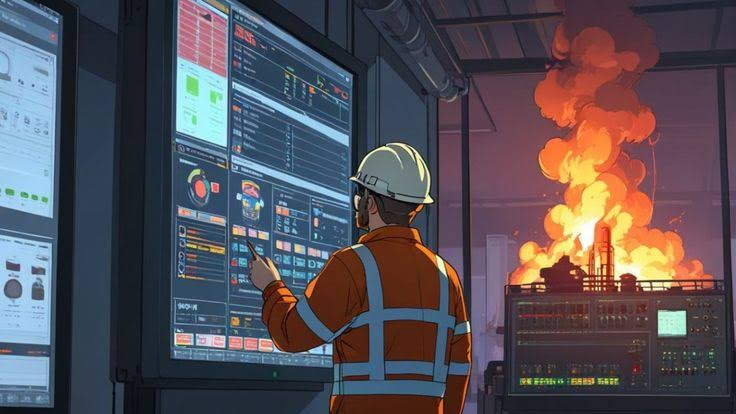
Property protection can require guard coverage when normal fire safety systems are unavailable, or work conditions raise concern. Fire watch guards provide a presence while checking assigned areas and reporting unusual conditions. Pricing can change with coverage length, staffing needs, property size, work activity, access demands, and risk level. An estimate starts with understanding how much does fire watch cost in Colorado.
Coverage Duration Shapes Pricing
Hourly coverage can cost differently from a short assignment because staffing time affects the overall estimate. Longer coverage may require several shifts with proper handoffs between guards. Overnight work can also influence pricing because staffing needs may change outside regular business hours. A defined schedule helps property managers understand expected spending before coverage begins.
What Changes Coverage Rates?
Rates can vary when a property needs one guard or several guards at the same time. Larger areas may require broader coverage so assigned personnel can check important sections without leaving gaps. Restricted access points can add planning needs when guards must follow entry rules or remain near specific locations.
- Shift length can raise totals when coverage continues overnight.
- Guard count affects costs when several areas require attention.
- Access limits may require extra planning before coverage begins.
- Work schedules can change staffing needs across different hours.
- Assignment complexity may require guards with stronger field preparation.
Property Size Affects Rates
A compact property may need fewer coverage hours because assigned areas are easier to reach. Larger buildings can require additional personnel when distances between sections make regular checks harder to maintain. Construction areas can also create separate zones that need attention during active work periods. Clear property details allow a provider to prepare a more suitable estimate.
Which Risks Raise Pricing?
Risk level has a direct effect on staffing needs and coverage planning. Active work involving heat sparks or temporary system interruptions may require closer attention than routine conditions. Properties with stored materials, crowded work areas, or limited access routes can also need stronger guard coverage.
- Heat-producing work can require closer attention during active shifts.
- Stored materials may increase caution around assigned work areas.
- Restricted routes can make regular checks harder to complete.
- Temporary alarm issues may require added guard coverage hours.
- Busy work zones can increase staffing needs during peak periods.
Work Conditions Influence Quotes
The type of work taking place can affect the amount of attention required during each shift. Cutting, welding, or other heat-producing tasks may create conditions that demand closer observation. If normal alarm protection is unavailable, then guards may need to follow a defined patrol and reporting routine. A provider can review the work schedule and surrounding conditions before preparing a quote.
When Does Staffing Increase Costs?
Staffing needs often rise when one person cannot reasonably cover all assigned areas. A large property may need separate guards for different sections to maintain consistent checks. High activity periods can also require additional personnel when workers move between zones frequently. Property managers can determine appropriate coverage by considering how much does fire watch cost in Colorado based on the number of guards required for reliable coverage.
Risk-focused pricing should match the actual conditions rather than relying on a single standard rate. Property size, schedule length, access rules, work activity, and staffing needs can all shape the amount charged. A detailed review helps managers select coverage that fits the situation without paying for unnecessary hours. Clear records of duties and timing can also support better planning for future assignments.
FAQ
What affects the price of temporary guard coverage most?
Coverage length, staffing needs, property size, and risk shape affect pricing.
Does longer coverage always create a higher total cost?
Longer assignments generally raise totals because extra staffing hours accumulate.
Can property details change an initial coverage estimate significantly?
Yes, detailed conditions can support a more accurate pricing assessment.
