

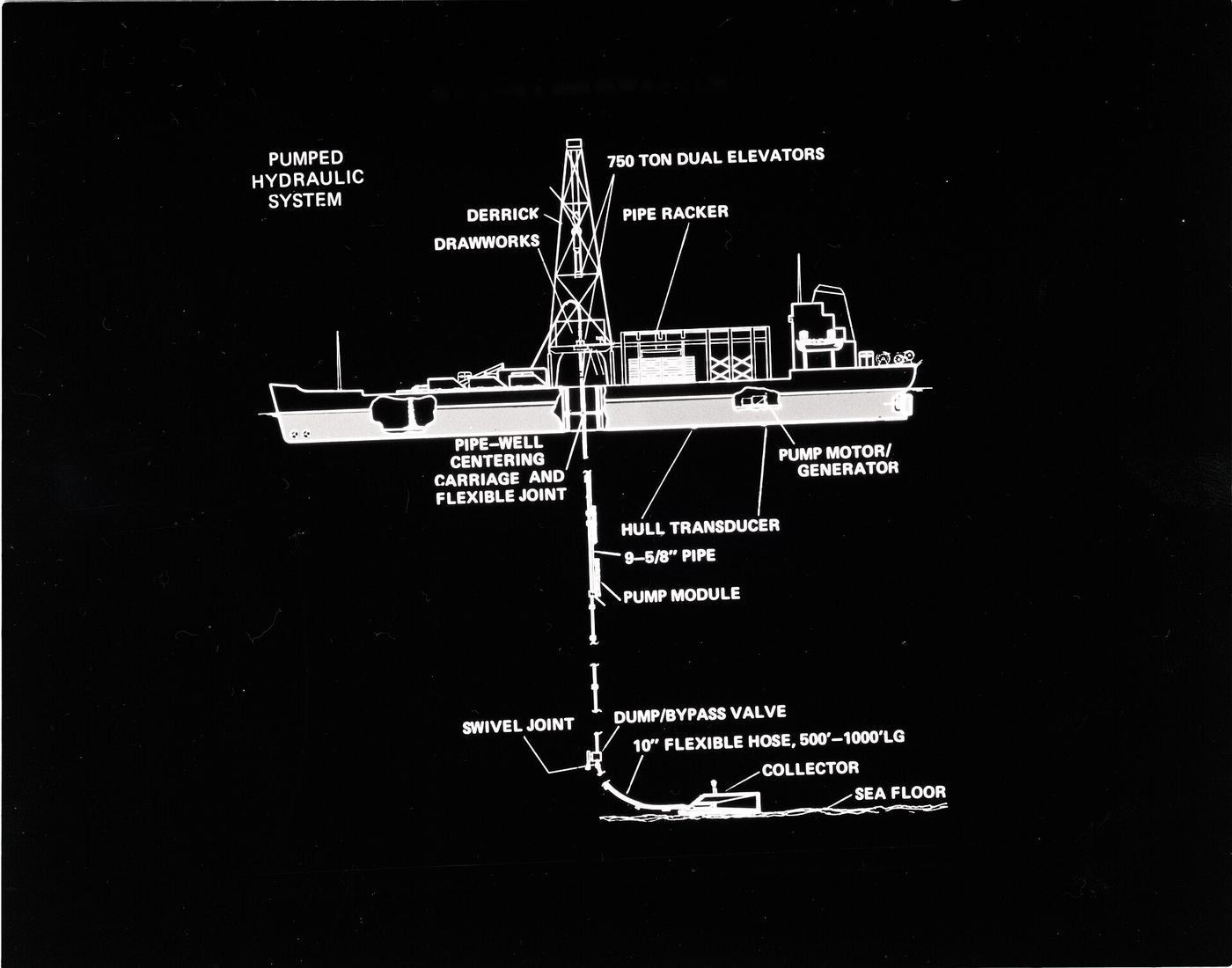
Four kilometres below the surface of the Pacific, in darkness and near-freezing cold, lie potato-sized rocks rich in nickel, cobalt, copper and manganese — metals the energy transition wants in large quantities. Whether machines should be sent down to collect them is about to stop being a theoretical argument. After years of procedural wrangling, the international debate over deep-sea mining is approaching decisions that will be difficult to reverse.
The International Seabed Authority, the UN body that governs mineral activity in international waters, has spent years negotiating a mining code while exploration companies test collector vehicles on the abyssal plain. A growing number of governments now want a pause or ban until the science is stronger, while others — including small Pacific states sponsoring mining firms — argue the seabed is a legitimate source of both metals and income.
What scientists say is at stake
The Clarion-Clipperton Zone, the Pacific region most targeted for mining, was once assumed to be a biological desert. Surveys keep proving otherwise: thousands of species have been recorded there, most of them new to science and many living on or around the nodules themselves, which take millions of years to form. Researchers warn that sediment plumes from collector vehicles could smother life far beyond the mined tracks, and that ecosystems adapted to extreme stability may recover on timescales of centuries, if at all.
The United Nations Environment Programme and other scientific bodies have pressed for far more baseline research before any commercial extraction. Mining companies respond that their trials show limited, localised disturbance, and that the alternative — expanding land mining — carries its own severe human and environmental costs. Both claims can be examined against evidence, but the baseline data for the deep ocean remains remarkably thin for a decision of this scale.
The metals argument is shifting
The economic case has also moved. When deep-sea mining enthusiasm peaked, forecasts assumed soaring demand for battery nickel and cobalt. Since then, battery chemistry has shifted toward formulations using less of both, recycling has grown, and land-based supply has expanded. None of that eliminates the strategic appeal of seabed metals, but it has weakened the claim that mining must start immediately or the energy transition stalls.
Meanwhile, major manufacturers and technology firms have signed moratorium pledges, promising not to source deep-sea minerals until the science is settled — a market signal regulators are watching closely. Our science desk has tracked how quickly those corporate commitments have accumulated.
A decision that sets a precedent
What happens next matters beyond one ocean region. The seabed authority’s choices will set the template for how humanity governs resources beyond national borders — whether commercial pressure or precaution leads when knowledge is incomplete. Pacific island nations, whose waters and sponsorships are central to the industry, are themselves divided, weighing development income against the ocean cultures at the heart of their identities.
Postponement has been the default outcome for a decade. Licences, national legislation in some countries moving toward unilateral action, and companies pressing for rulings mean postponement may no longer be available. The deep ocean has waited millions of years; the argument over its future will be settled, one way or another, in the next few.
