

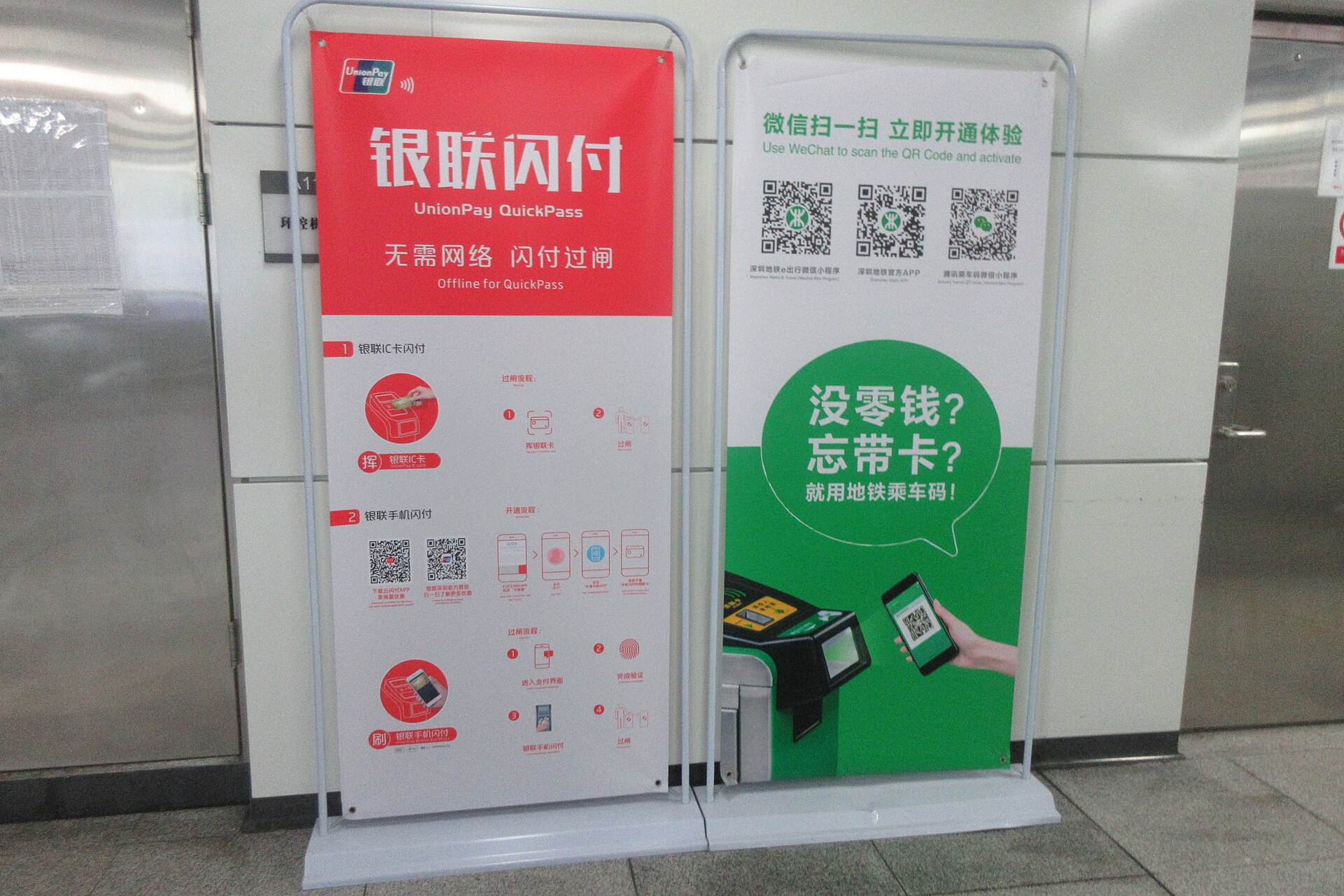
Few ideas in finance have been studied as thoroughly, and adopted as cautiously, as central bank digital currencies. More than 130 jurisdictions — representing the overwhelming majority of global GDP — are now exploring a CBDC, and dozens run live pilots. Yet the list of full retail launches remains short, and the gap between exploration and adoption has become the story.
A CBDC is, in essence, a digital form of cash: a liability of the central bank itself, rather than of a commercial bank or a card network. In principle it offers a public, risk-free digital payment rail. In practice, as the International Monetary Fund’s extensive programme of country work at imf.org makes plain, every central bank is solving a different problem — and some are discovering their problem does not need this solution.
Three Motivations, Three Designs
The Bahamas, Nigeria and Jamaica launched early, largely for financial inclusion: reaching citizens the banking system hadn’t. Their experience was sobering — adoption has been modest where agent networks, merchant acceptance and simple user experience lagged the launch publicity. China’s e-CNY, the largest pilot in the world, has processed enormous cumulative volumes yet remains, by official description, a pilot; its focus has expanded towards wholesale and cross-border uses. Europe’s digital euro sits in a preparation phase, with legislation — not technology — now the critical path.
Wholesale CBDCs, used between banks for settlement, have advanced faster and quieter. Experiments linking central banks for cross-border settlement have demonstrated transfers in minutes rather than days, attacking the correspondent-banking costs that make remittances so expensive for the world’s poorest recipients.
The Objections That Won’t Go Away
Critics raise a consistent set. Privacy: a state-issued digital currency could, in the worst design, give authorities a window into every transaction; central banks respond with tiered anonymity for small payments, but the trust question is political, not technical. Financial stability: in a crisis, deposits could flee commercial banks for the central bank at app speed, which is why holding limits feature in nearly every serious design. And the simplest objection of all: in countries whose instant-payment systems already work well, citizens ask what problem a CBDC solves for them.
Commercial banks, for their part, have moved from hostility to negotiation — determined to remain the customer-facing layer, distributing CBDC wallets much as they distribute cash today. That two-tier model is now close to universal in design documents, as regular readers of our finance coverage will recognise.
The competitive backdrop has shifted too. Stablecoins — private digital dollars — have grown into a market measured in hundreds of billions, and their regulation in the United States and elsewhere has given central bankers a new argument: that public money needs a digital form if it is not to be displaced in its own economy. Whether that argument outweighs the privacy and stability objections is precisely the debate now playing out in parliaments, and it explains why several CBDC timelines have quietly accelerated even as launch dates remain unannounced.
What Happens Next
The likely future is plural: wholesale systems modernising behind the scenes, a handful of retail launches where the payments gap is real, and many jurisdictions keeping a tested design on the shelf — ready if private payments fail or foreign digital currencies start circulating at home. The technology, in other words, has outrun the politics, and the politics will decide.
The Bottom Line
CBDCs’ awkward adolescence is not failure; it is what happens when a powerful tool meets institutions designed to move carefully. The pilots have proven the mechanics. The launches will happen where a genuine payments problem, a trusted central bank and a workable design coincide — a conjunction as demanding, in its way, as the ecological one facing the reef scientists in our report on coral rescue after record bleaching.
