

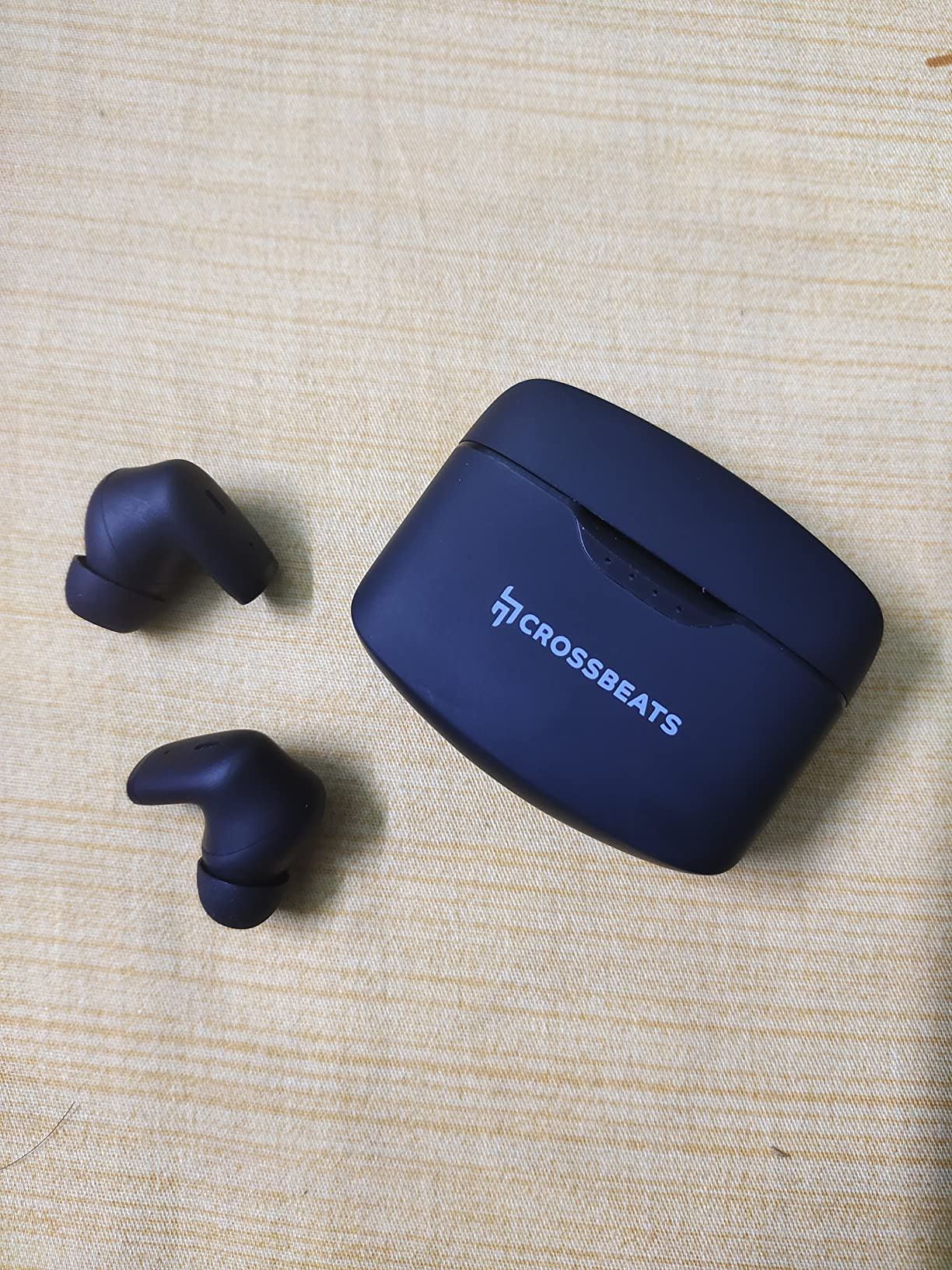
For millions of people with mild hearing loss, the biggest barrier to getting help has never been technology but cost, stigma and inconvenience. Traditional hearing aids can cost thousands, require appointments and fittings, and carry a social stigma that puts many people off. Wireless earbuds are changing that calculation. Recent changes in regulation allow earbuds to be sold as over-the-counter hearing aids, with built-in microphones that amplify conversations and apps that run a hearing test and tune the sound to the wearer’s ears. The devices look like ordinary earbuds, cost a fraction of traditional aids, and can be bought without a clinic visit. Audiologists say the shift could bring help to people who have lived with untreated hearing loss for years, a condition linked to social isolation and faster cognitive decline, simply because the help now arrives in a familiar, affordable form.
What the Evidence Shows
The new earbuds are not a replacement for medical hearing aids in every case. People with severe hearing loss, ear infections or sudden changes in hearing still need professional care, and experts warn that self-fitting devices can miss problems a clinician would catch. Battery life is another limit, since amplification drains power faster than music playback, and the small devices can be fiddly for users with limited dexterity. Even so, early studies show many users keep wearing them, report clearer conversations in noisy places such as restaurants, and say they feel less self-conscious than they would with a visible hearing aid. Manufacturers are adding features such as fall detection and health monitoring, turning the earbud into a broader wellness device. Health researchers hope the trend will normalise hearing support the way reading glasses normalised vision help, making it an ordinary purchase rather than a medical event. Reporting and analysis from sources such as IEEE Spectrum track the same developments, and specialists following the hearing-assist earbuds say the direction is now consistent across independent lines of evidence.
The Wider Context
Adoption of the hearing-assist earbuds follows a familiar pattern with an unfamiliar speed. Early users tolerate rough edges in exchange for advantage, mainstream users arrive when the tool disappears into existing workflows, and the market consolidates around whoever made that transition feel effortless. Vendors are racing less on raw performance now than on integration, support and trust.
What Happens Next
The realistic forecast for the hearing-assist earbuds is steady integration rather than sudden replacement: embedded in products people already use, improving in increments, and regulated in proportion to its reach. The companies and institutions that plan on that basis, training staff and redesigning processes instead of chasing launches, are the ones the adoption data tends to vindicate. You can follow related developments in our coverage of technology.
It is also worth remembering how quickly the picture in this area has changed before. Positions that looked settled a few years ago have been revised as new data arrived, and the same humility is appropriate now. The strongest coverage of this subject, and the most useful advice, tends to come from sources that update their views openly when the facts move, rather than defending an earlier position long after it has stopped fitting the evidence available.
