

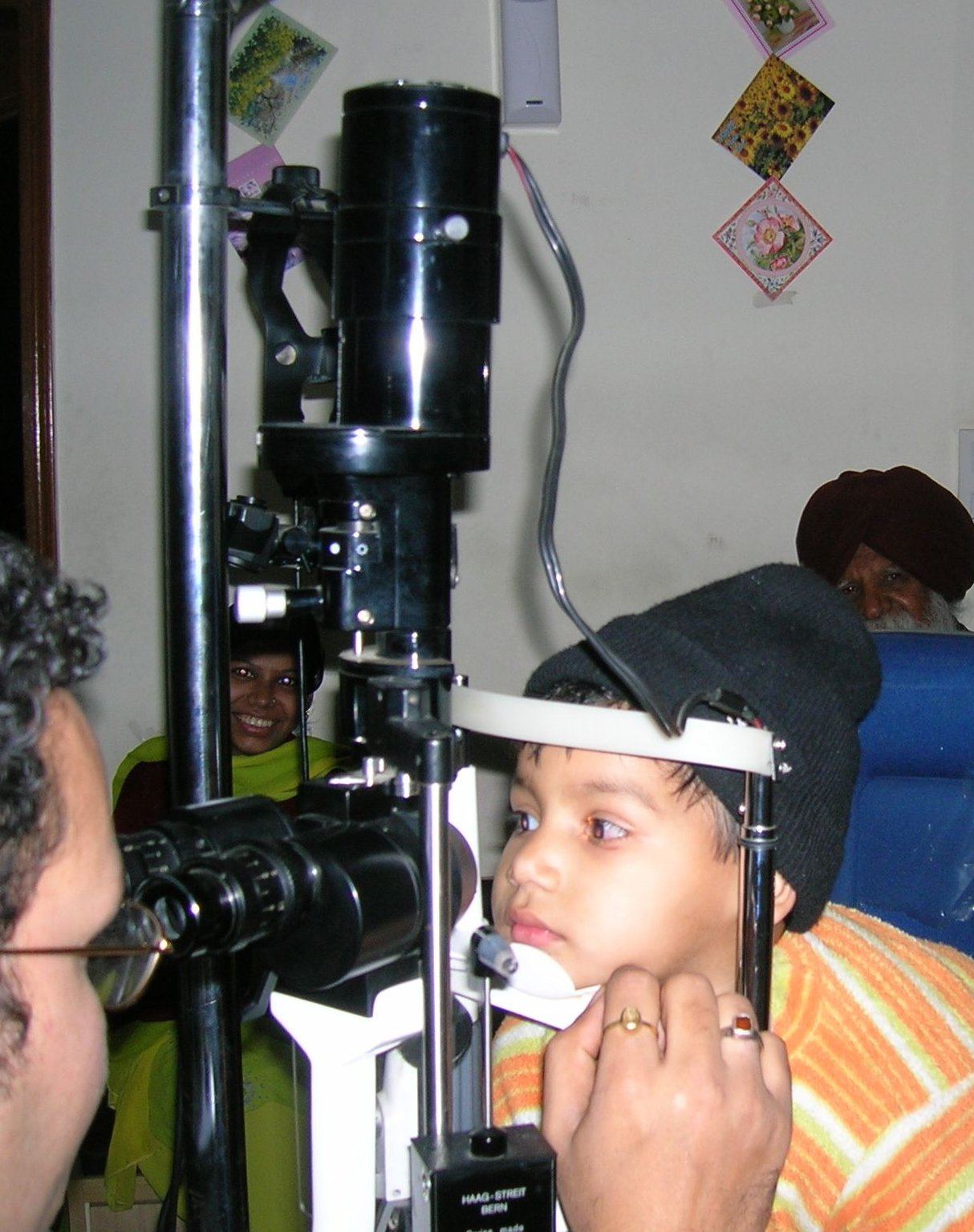
Some forms of blindness are caused by a faulty gene in the light-sensitive cells of the retina, the layer at the back of the eye that captures what we see. Children born with these conditions lose their sight gradually, often becoming blind in early adulthood, and until recently there was nothing doctors could do. Gene therapy offers a new option. A harmless virus, engineered to carry a working copy of the faulty gene, is injected into the eye, where it delivers the replacement to the retinal cells. The cells then begin producing the protein they were missing, and vision can improve. The first approved treatment has helped patients see better in dim light, navigate obstacles and read larger print, and researchers are now testing the approach on other inherited eye diseases. The eye is a good target for the technique, since it is small, contained and easy for doctors to reach.
What the Evidence Shows
The treatment works best when given early, before too many retinal cells have died, which means diagnosing children quickly and treating them while their vision can still be saved. That raises practical questions, since genetic testing must be available and families must be found and referred in time. Cost is also a barrier, as a single treatment can be extremely expensive, and health systems are debating how to pay for therapies that are given once but may last for years. Scientists are working on simpler delivery methods and on treatments for more common eye conditions, including forms of blindness that affect older people. They caution that gene therapy will not help eyes in which the retina has already been lost, and that expectations must be managed. For the families it has helped, though, the therapy has changed what a diagnosis of inherited blindness means. Reporting and analysis from sources such as National Science Foundation track the same developments, and specialists following the vision-restoring gene therapy say the direction is now consistent across independent lines of evidence.
The Wider Context
The wider context is a research landscape in which replication and open data now decide reputations. Findings connected to the vision-restoring gene therapy are being checked by independent groups with shared datasets, and the teams involved publish their methods in full so rivals can test every step. That discipline is slower than a headline cycle, but it is why results in this area increasingly survive first contact with scrutiny.
What Happens Next
What happens next in the story of the vision-restoring gene therapy will be decided by follow-up work already under way: larger samples, longer observation and instruments that have not yet come online. The researchers involved are unusually united on one point, that the current results justify the next investment of time and money. Readers will not have to wait long for the first tests of that claim. You can follow related developments in our coverage of science.
There is a practical lesson in all of this for readers deciding what to do today. Start with the verified facts, be wary of anyone promising certainty, and prefer reversible steps while the evidence is still developing. Circumstances differ by country, income and personal situation, so general guidance should always be weighed against your own context before you act on it in any significant or lasting way.
