

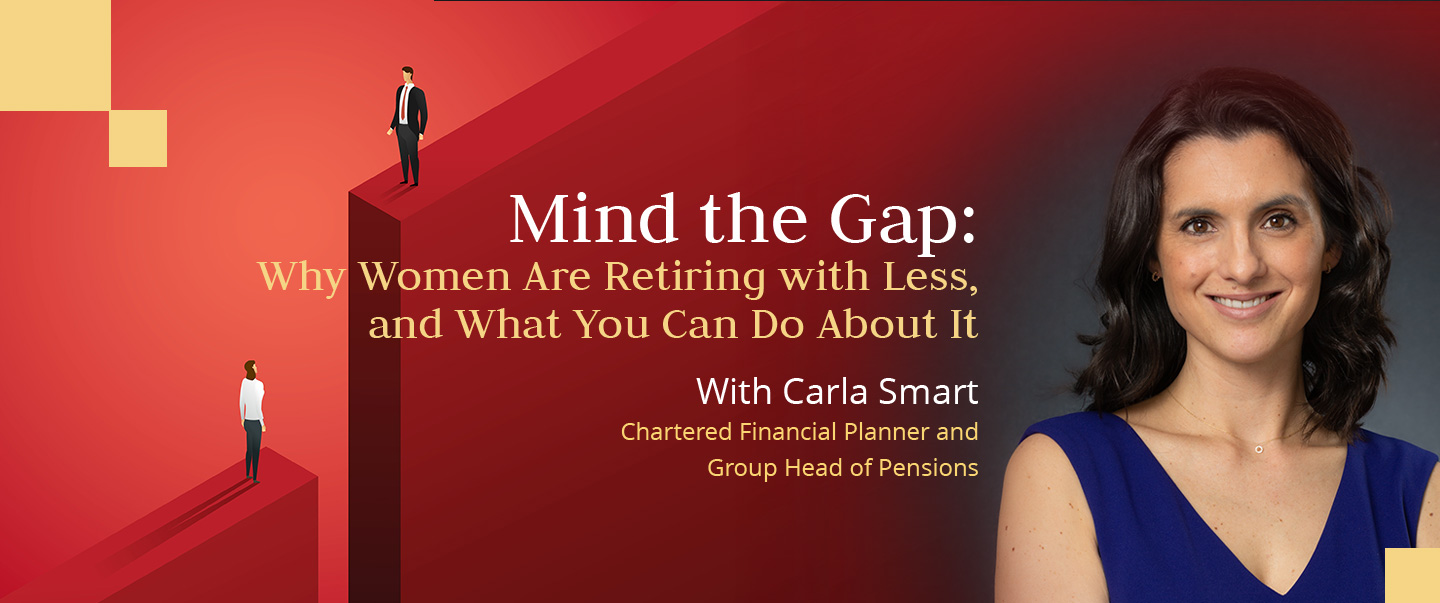
— Retirement is not a date; it is a cash-flow problem.
Retirement planning is often postponed until a crisis: a health bill, a job loss, a divorce. For many women, that delay is costly because the math is already tilted—more years to finance and less money set aside.
When the gap becomes visible, some people look for shortcuts, from “side income” schemes to a spin of helicopter x crash game, but retirement security is built through repeated decisions, not through luck.
The issue is structure: pay, work history, caregiving time, pension rules, and household roles. Financial literacy matters because it helps a person navigate that structure with fewer blind spots.
Longer lives mean longer exposure to retirement risk
Women outlive men in most regions. Global health statistics show higher life expectancy for women, which translates into a longer period that savings and pensions must cover.
A longer retirement increases exposure to inflation, market cycles, and late-life health and care costs. It also raises the chance of living alone later, after widowhood or separation, when income can drop while fixed costs remain. Planning on a short timeline is, for many women, a built-in underestimate.
Lower savings are usually the product of lifetime earnings and unpaid work
Across OECD countries, women receive monthly pensions that are about 23% lower than men’s on average, and the gap is linked to differences in lifetime earnings, hours worked, and employment patterns.
The pathway is familiar: career breaks, part-time work, informal jobs, and slower wage growth. Unpaid care sits behind much of it. The International Labour Organization estimates that in 2023, 708 million women were outside the labor force because of unpaid care responsibilities. Even when women stay employed, care time can limit training, overtime, and promotion. Over decades, that reduces contributions and shrinks compounding.
The “default decision” problem hits women harder
Retirement outcomes often come from defaults: the automatic contribution rate, the standard investment option, the account that is never reviewed. Defaults can boost participation, but they can hide under-saving.
Interruptions make the default path risky. A break can pause contributions; a return can restart at a low rate; a shift to part-time can cut contributions without any alarm. Household roles can amplify this. If one partner is the financial “operator,” the other may not know balances, credits, or benefit rules until a shock forces a review.
Financial literacy, here, is the ability to see and correct defaults before they harden into destiny.
Financial literacy gaps are not a character flaw
A second problem is information. Large surveys find consistent gender differences in financial knowledge and financial well-being measures. In the OECD/INFE cross-country survey, men score higher on financial knowledge and financial well-being on average, which the report flags as a disparity to address.
Why does that matter for retirement? Because retirement planning is less about one big decision and more about dozens of small ones: which risks to insure, how to read a pension statement, how to compare fees, when to increase contributions after a pay raise. A person who feels unsure tends to delay, delegate, or avoid the topic. Those behaviors are rational in the moment, but they have a cost in compounding time.
The same OECD/INFE work also notes that people who use digital devices or services often score higher on financial literacy measures, yet the digital space is also where scams spread fast. Literacy therefore needs to cover both convenience and risk.
Smarter financial literacy for women is practical, not academic
Financial literacy is often reduced to a quiz. For retirement, the useful version is a checklist that can be repeated each year.
Cash flow: Track income and fixed costs; automate saving so it is not “what is left.”
Debt: Understand true borrowing cost; prioritize high-interest debt so it does not crowd out contributions.
Pension rules: Know what counts as pensionable service, how benefits are calculated, and how breaks affect eligibility. OECD analysis links pension gaps to lifetime earnings differences—rules determine how that history turns into benefits.
Contributions: Expect uneven years; keep a baseline during caregiving periods, then increase and automate catch-up when income rises.
Investing: Avoid common errors—panic selling, chasing recent winners, holding excess cash for years. Use diversification and scheduled reviews instead of constant tinkering.
Operations: Know where accounts are held, who owns them, and who the beneficiaries are; keep access and documents current.
A simple practice helps: once a year, write down expected retirement income sources (state benefit, employer plan, personal savings), then compare that number to current spending. If the gap is wide, the plan needs one of three fixes: save more, work longer, or plan for lower spending. No app can replace that arithmetic.
What policy can fix, and what households can fix
Some drivers are structural. Credits for caregiving time, contributions during parental leave, and affordable care services can reduce the gap at its source. The OECD frames lifetime earnings differences as a main driver of pension gaps, which is why unpaid work and employment patterns show up later as lower pensions.
But households still control timing. Earlier awareness leads to earlier contributions and fewer years lost to inertia.
Conclusion
Women’s retirement reality has three drivers: longer lives, lower lifetime earnings, and work gaps tied to care. Those drivers produce a predictable outcome unless the plan is adjusted.
Smarter financial literacy is the adjustment. It is a routine built around cash flow, rules, contributions, behavior, and documentation. In retirement, routine beats hope.
