

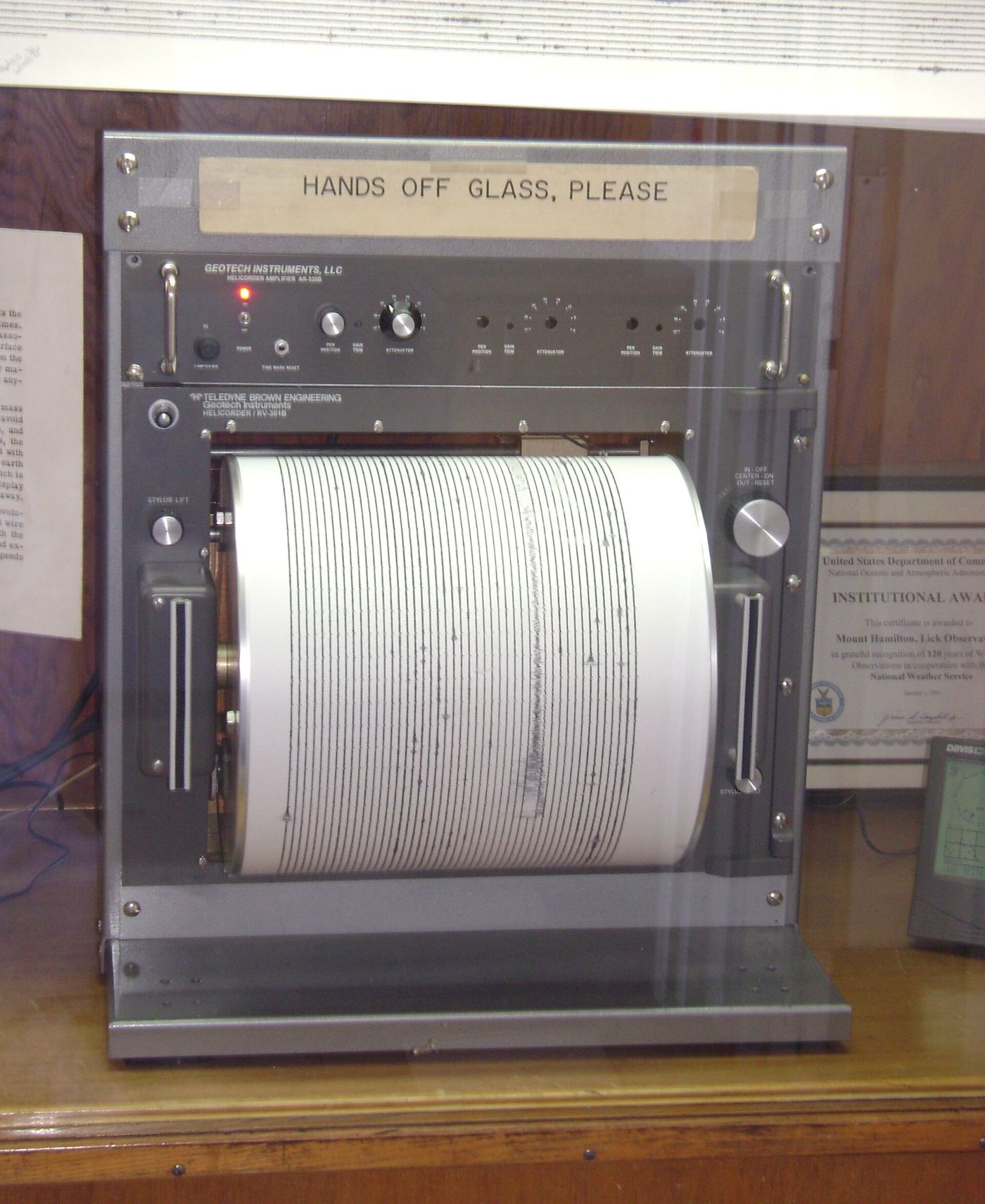
Deep beneath our feet, at the centre of the Earth, sits a ball of solid iron about the size of the Moon, surrounded by a sea of liquid metal. That inner core spins inside the planet, and for decades scientists have debated whether it turns slightly faster than the rest of the Earth, at the same speed, or more slowly. The question is studied through earthquakes, because seismic waves pass through the core and arrive at monitoring stations around the world, and tiny changes in their travel time can reveal how the core has moved. Research published in recent years suggests that the inner core’s rotation has slowed, and may even have briefly reversed relative to the surface, as part of a slow cycle lasting decades. The change is tiny, measured in fractions of a degree per year, and it does not affect daily life, but it offers a rare window into the deepest part of our planet.
What the Evidence Shows
The inner core matters because it is linked to the Earth’s magnetic field, which shields the surface from harmful radiation from space. That field is generated in the liquid outer core, where moving metal acts like a dynamo, and the solid inner core influences that motion through its shape, its heat and its spin. Scientists disagree about the details, and the seismic evidence is subtle enough that different teams have reached different conclusions from the same data. Some argue that the core’s rotation changes in a regular cycle of about seventy years, while others think the signal is smaller or harder to read than it first appeared. Better earthquake records, longer monitoring and new computer models are gradually sharpening the picture. The debate is a reminder that the centre of the Earth, though only a few thousand kilometres away, is harder to study than the surface of Mars, and that its slow movements still hold surprises. Reporting and analysis from sources such as National Science Foundation track the same developments, and specialists following inner core rotation say the direction is now consistent across independent lines of evidence.
The Wider Context
The wider context is a research landscape in which replication and open data now decide reputations. Findings connected to inner core rotation are being checked by independent groups with shared datasets, and the teams involved publish their methods in full so rivals can test every step. That discipline is slower than a headline cycle, but it is why results in this area increasingly survive first contact with scrutiny.
What Happens Next
What happens next in the story of inner core rotation will be decided by follow-up work already under way: larger samples, longer observation and instruments that have not yet come online. The researchers involved are unusually united on one point, that the current results justify the next investment of time and money. Readers will not have to wait long for the first tests of that claim. You can follow related developments in our coverage of science.
There is a practical lesson in all of this for readers deciding what to do today. Start with the verified facts, be wary of anyone promising certainty, and prefer reversible steps while the evidence is still developing. Circumstances differ by country, income and personal situation, so general guidance should always be weighed against your own context before you act on it in any significant or lasting way.
