

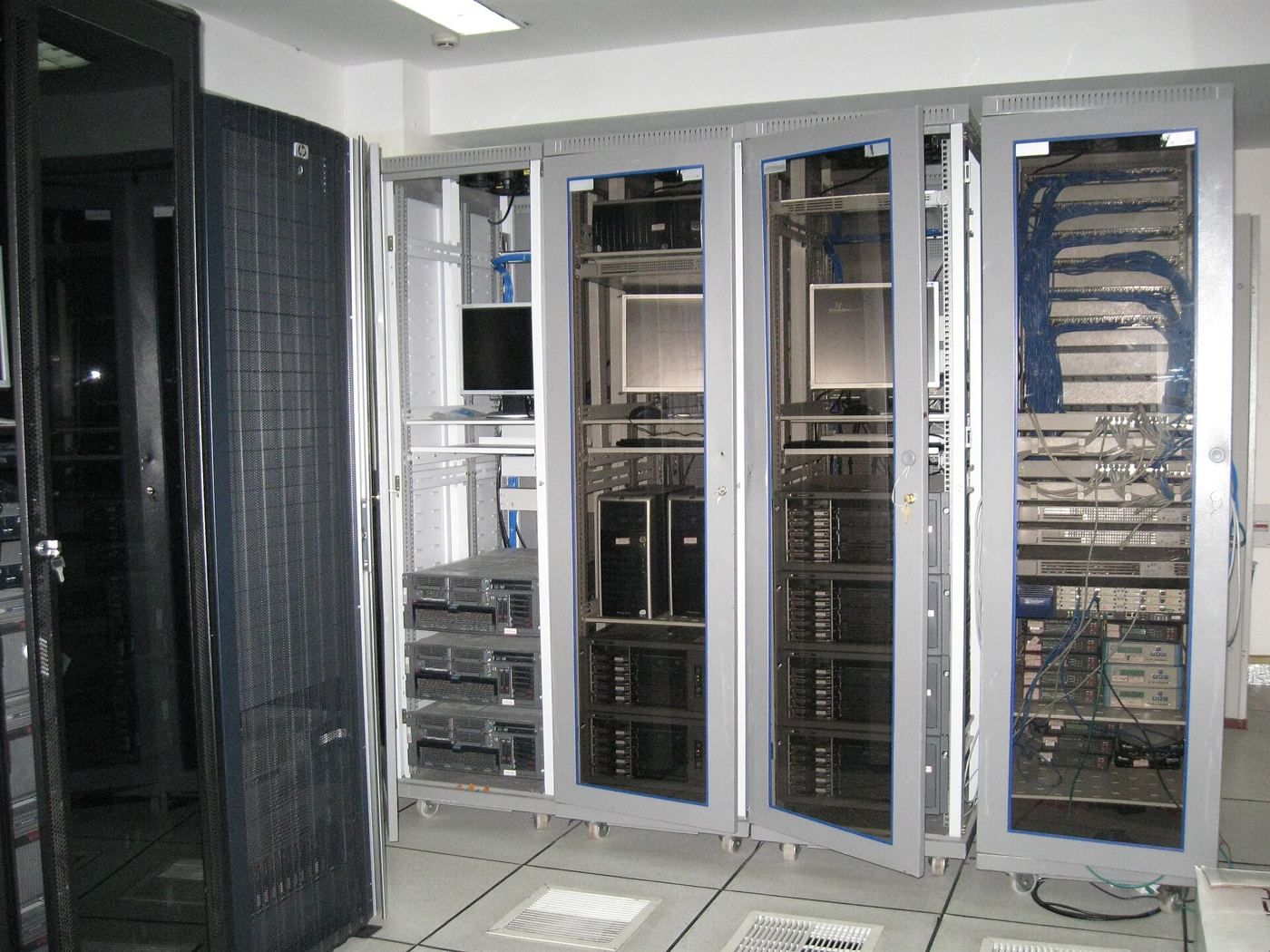
LMSYS Org announced the SGLang Consortium on 12 November, bringing together NVIDIA, AMD, Intel, Google, Meta, Cloudflare, Modal and RadixArk around open-source software for running large AI models. SGLang is a framework for AI inference, the stage where a trained model actually answers questions and generates text, images or code. Inference is where most of the cost of running AI now sits, because every chatbot reply, search result and coding suggestion runs through it. Making that stage faster and cheaper matters to every company deploying AI at scale. The consortium aims to keep the software open, so improvements benefit the whole industry rather than a single vendor. The framework is already used by researchers and companies to serve models more efficiently, squeezing more answers from the same hardware and cutting response times for users.
What the Evidence Shows
The unusual breadth of the membership is the story: fierce competitors in chips and cloud computing are cooperating on shared infrastructure. Open standards let developers move models between hardware from different makers without rewriting their software, which weakens lock-in and gives smaller labs access to the same efficiency gains as the giants. For chipmakers, supporting the framework is also a way to make their own hardware more attractive. If the consortium succeeds, AI inference should become faster, cheaper and more portable, and the benefits should reach far beyond the companies that signed the announcement. Open infrastructure also helps regulators and researchers audit AI systems, because standard tools make it easier to test models, compare results and reproduce experiments independently, rather than relying on each company’s private claims. Reporting and analysis from sources such as IEEE Spectrum track the same developments, and specialists following the open inference software consortium uniting chip giants say the direction is now consistent across independent lines of evidence.
The Wider Context
Adoption of the open inference software consortium uniting chip giants follows a familiar pattern with an unfamiliar speed. Early users tolerate rough edges in exchange for advantage, mainstream users arrive when the tool disappears into existing workflows, and the market consolidates around whoever made that transition feel effortless. Vendors are racing less on raw performance now than on integration, support and trust.
What Happens Next
The realistic forecast for the open inference software consortium uniting chip giants is steady integration rather than sudden replacement: embedded in products people already use, improving in increments, and regulated in proportion to its reach. The companies and institutions that plan on that basis, training staff and redesigning processes instead of chasing launches, are the ones the adoption data tends to vindicate. You can follow related developments in our coverage of technology.
It is also worth remembering how quickly the picture in this area has changed before. Positions that looked settled a few years ago have been revised as new data arrived, and the same humility is appropriate now. The strongest coverage of this subject, and the most useful advice, tends to come from sources that update their views openly when the facts move, rather than defending an earlier position long after it has stopped fitting the evidence available.
