

Resin bound stone surfacing is rapidly gaining popularity due to its aesthetic appeal and functional benefits. This innovative surfacing solution combines resin with natural aggregates, resulting in a permeable, durable, and visually appealing surface. One of the key considerations when opting for this type of surface is selecting the right professionals for the job, like those at resin bound stone surfacing experts.
What is Resin Bound Stone Surfacing?
Resin bound stone surfacing involves mixing clear resin with a selection of stones and aggregates to create a smooth, stylish finish. This surface type is distinct from similar options, such as resin bonded surfacing, where the aggregate is scattered on top of a resin layer, resulting in a rougher texture. The seamless appearance of resin bound surfacing makes it an attractive choice for various applications, from driveways to pedestrian paths.
Advantages of Resin Bound Stone Surfacing
One major advantage of resin bound stone surfacing is its permeability. The mix of resin and stones allows water to drain through easily, reducing the risk of flooding and puddles. This makes it an excellent choice for areas prone to heavy rainfall. Additionally, the smooth, non-slip surface ensures safety for both pedestrian and vehicular traffic.
Durability is another significant benefit. Resin bound surfaces are highly resistant to weathering and wear, making them suitable for areas with high foot or vehicle traffic. Furthermore, the colour-fast properties of the stones ensure the surface remains attractive for years.
Environmental Benefits
Resin bound stone surfacing is also environmentally friendly. The permeable nature reduces water runoff, helping replenish groundwater levels and alleviate urban heat island effects. Additionally, the use of natural aggregates often involves recycled materials, further enhancing the eco-friendly nature of this surfacing option.
Common Applications
This surfacing technique is versatile, making it suitable for a variety of applications. Common uses include residential driveways, pathways, patios, and pool decks. The aesthetic flexibility allows homeowners to choose from a wide range of colour and texture options to match existing landscaping.
Commercially, resin bound stone surfacing is often chosen for shopping centres, parks, and public walkways due to its durability and minimal maintenance needs.
Maintenance Considerations
One of the appealing aspects of resin bound stone surfaces is the minimal maintenance required. Regular cleaning with a pressure washer or a stiff broom is often sufficient to maintain its appearance. However, it is essential to remove any organic growth or moss promptly to prevent staining or surface degradation.
Resin Bound vs. Traditional Surfacing Materials
Compared to traditional surfacing materials like concrete or asphalt, resin bound stone offers improved aesthetics and permeability. Concrete, while durable, does not allow water to pass through, potentially contributing to runoff and drainage issues. On the other hand, asphalt surfaces tend to deteriorate faster under UV exposure and can become unsightly over time.
Installation Process
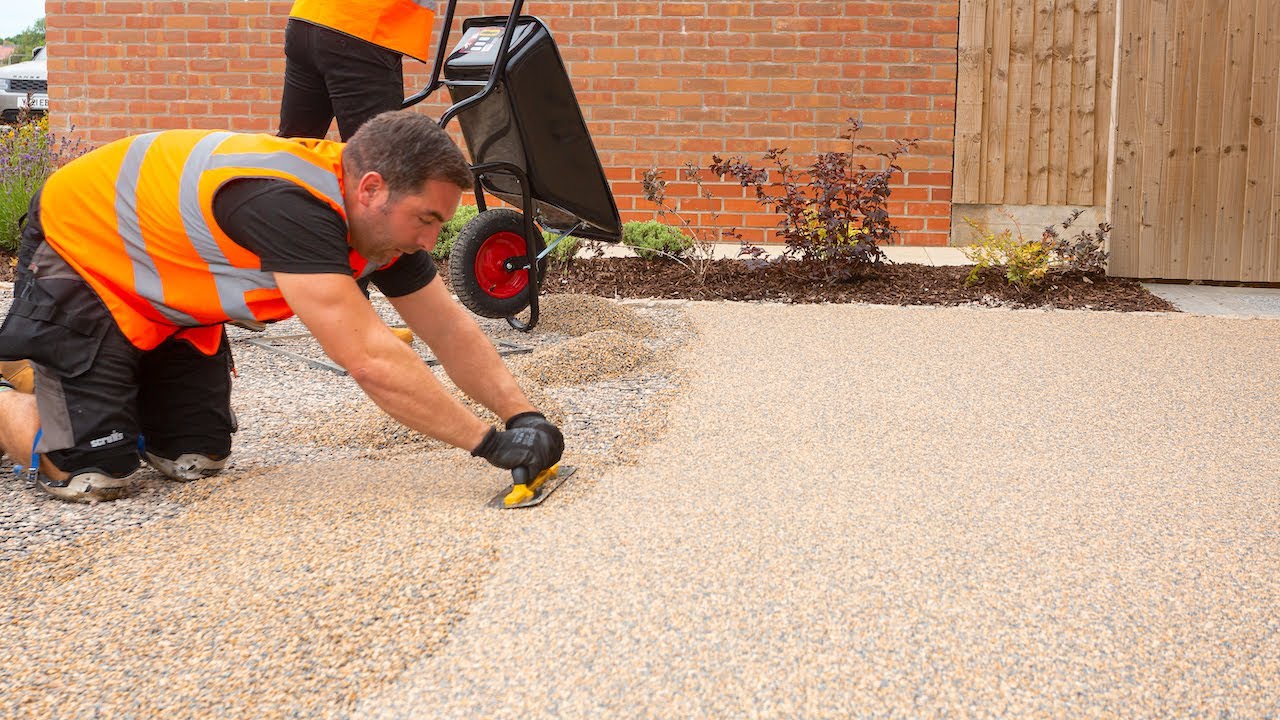
The installation of a resin bound stone surface involves several critical steps. Initially, the underlying base must be prepared and any existing vegetation removed. The resin and aggregate mixture is then carefully applied to the surface, ensuring an even distribution and smooth finish. Proper installation is vital to maximise the durability and longevity of the surface.
Choosing the Right Installer
When considering resin bound stone surfacing, selecting a qualified and experienced installer is crucial. A professional service, such as those offered by reputable companies, ensures the correct preparation and application techniques are employed, minimising the risk of future problems.
Cost Considerations
While resin bound stone surfacing may initially appear more costly than traditional options, its durability and low maintenance requirements can offer long-term savings. It is important to obtain quotes from multiple installers to better understand the potential costs involved and ensure a competitive price.
Potential Challenges
Despite its many benefits, resin bound stone surfacing is not without challenges. For instance, improper installation can lead to surface irregularities or pooling water. Therefore, thorough preparation and adherence to installation guidelines are imperative to achieve the desired result.
Conclusion
Resin bound stone surfacing presents a compelling option for both residential and commercial applications, offering a combination of aesthetic appeal and practical benefits. By understanding the advantages, applications, and potential challenges associated with this surfacing technique, property owners can make informed decisions and enjoy the lasting beauty and functionality of their surfaces.
