

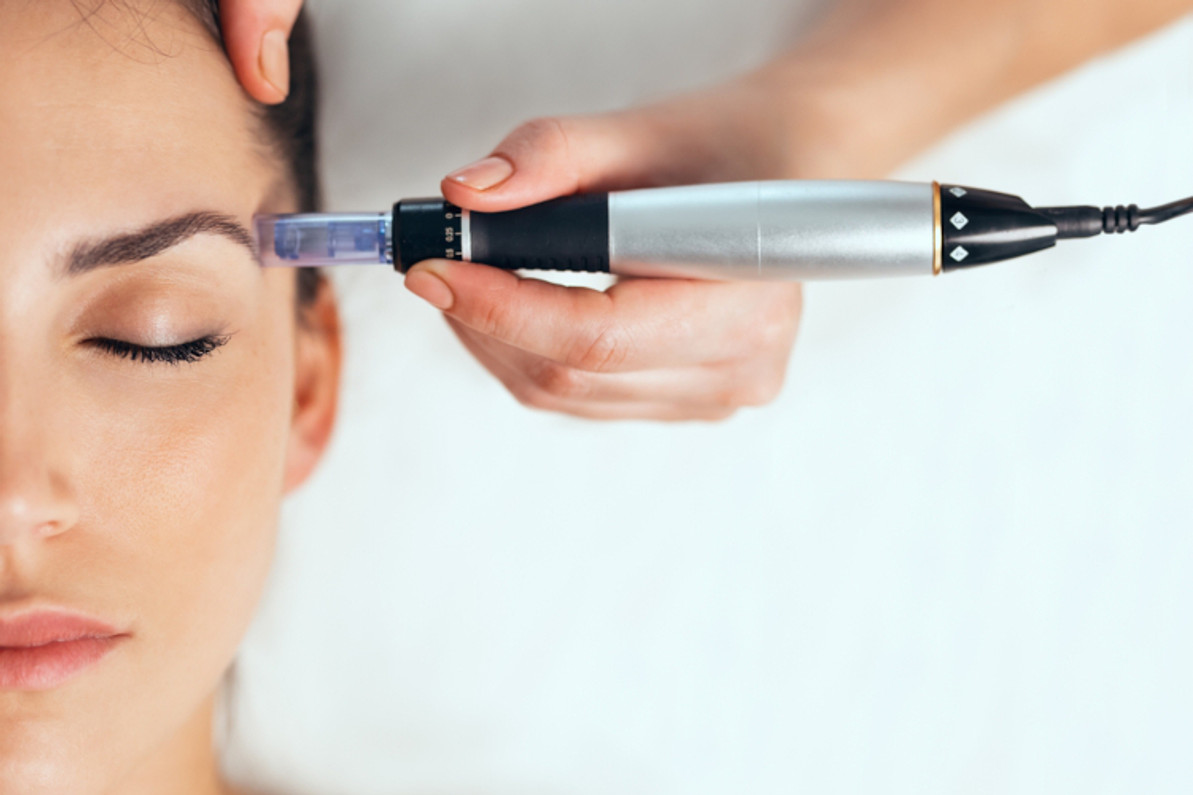
Microneedling has become a popular treatment for skin rejuvenation, and many people are opting to perform this procedure at home for convenience and cost-effectiveness. Using a microneedling pen at home allows individuals to tackle various skin concerns, including fine lines, acne scars, and hyperpigmentation, with professional-level results.
Understanding Microneedling
Microneedling is a dermatological procedure that involves the use of a pen-like device fitted with tiny needles. These needles create micro-injuries in the skin, which trigger the body’s natural healing process and result in increased collagen and elastin production.
This treatment has been a go-to for individuals looking to improve the youthful appearance and texture of their skin. Originally, microneedling had to be done in a professional medical setting, but now, home-use devices provide similar benefits.
Benefits of Home Microneedling Devices
There are numerous benefits to performing microneedling at home. One of the primary advantages is the convenience it offers; individuals can fit treatments into their schedules without the need for travel or appointment bookings. Moreover, the cost of professional sessions can add up over time, making an at-home device a more economical choice in the long run.
Safety and Effectiveness
When considering home-use microneedling devices, it is essential that they meet safety standards. Reputable products, such as those offered by Dermapenworld, are designed to be both safe and effective for personal use.
These devices have features that prevent excessive penetration of the skin, reducing the risk of injury. Users can manage their skin type and condition safely, achieving professional-grade results without leaving their homes.
Preparing for a Microneedling Session
Preparation is crucial for a successful microneedling session at home. The skin should be cleansed thoroughly, and all makeup and oils removed to prevent irritation and infection.
Additionally, it is advisable to use a numbing cream if you are new to microneedling, to alleviate discomfort during the process. It is also worth mentioning the importance of using sterile needles every time a session is conducted.
Step-by-Step Guide to Home Microneedling
To begin microneedling at home, start by selecting an appropriate pen and needle size based on your individual skin needs. Ensure that your device is charged or has fresh batteries.
Next, glide the device gently over the skin in a systematic pattern, usually horizontal, vertical, and diagonal strokes. Be cautious not to exert excessive pressure.
Post-session, it is important to follow up with soothing serums and moisturisers to enhance absorption and speed up the healing process.
Aftercare Tips
After microneedling, the skin is typically red and sensitive. It is critical to avoid sun exposure and to apply sunblock if going outdoors. Hydration and gentle skincare products are recommended to maintain skin health and support recovery.
Avoid using any harsh chemicals or exfoliants for several days post-treatment as the skin barrier is still in a restorative state.
Potential Risks and Considerations
While microneedling at home is generally safe, there are risks if procedures are not followed correctly. It is essential to adhere to the manufacturer’s instructions and recommendations.
Individuals with active skin conditions, such as severe acne or eczema, should consult a dermatology professional before attempting microneedling. Such conditions may worsen with improper home treatment.
Conclusion
Home microneedling offers a practical and economical alternative to professional treatments. By selecting a certified device, users can effectively address their skin concerns at their convenience.
With proper preparation, technique, and aftercare, microneedling at home can be a beneficial addition to one’s skincare routine, producing revitalised and smoother skin over time.
