

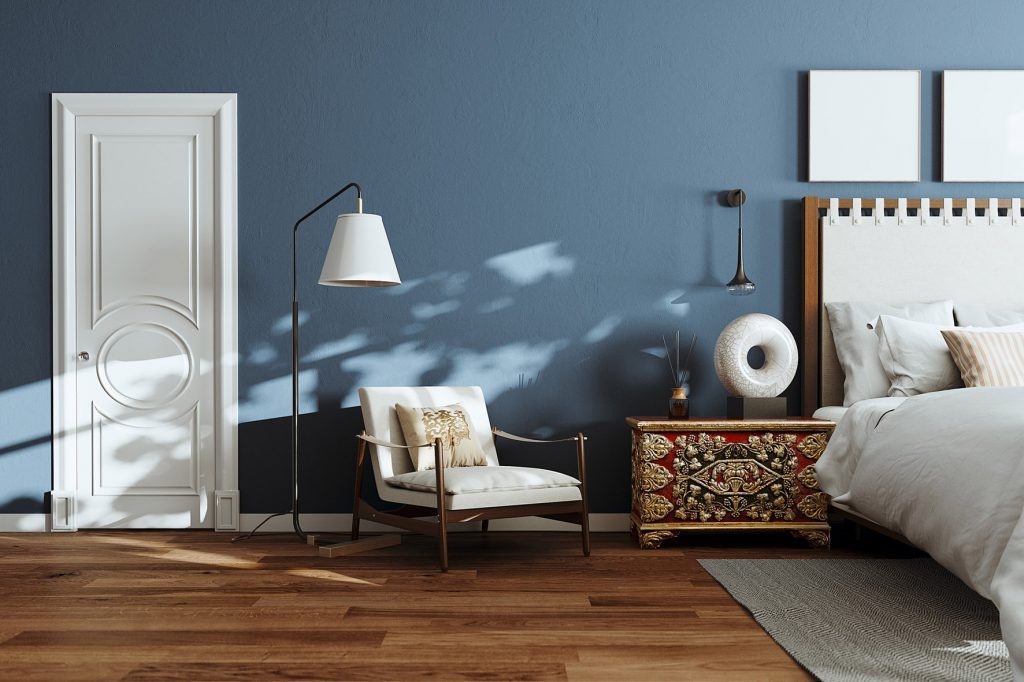
Vinyl paint has become a popular choice in the realm of interior design due to its versatility and durability. Perfect for a range of applications, from walls to ceilings, vinyl paint offers a sleek, clean finish. One of the standout products in this category is Tautflex DIY vinyl paint, known for its superior quality and ease of application. For more details on Tautflex, you can explore the vinyl paint options available at Viponds.
Understanding Vinyl Paint
Vinyl paint is a type of water-based paint which includes polyvinyl acetate as a binding agent. This ingredient is what gives vinyl paint its impressive properties. When it dries, it forms a film that is resistant to moisture, making it particularly advantageous in areas that may experience humidity, such as kitchens and bathrooms.
Advantages of Vinyl Paint
One of the primary benefits of vinyl paint is its resistance to wear and tear. Unlike traditional paints, vinyl paint resists chipping and cracking, ensuring longevity of the surfaces it covers. It also provides a smooth, plastic-like finish that can enhance the aesthetic appeal of a space.
Moreover, vinyl paint is generally easy to clean. Its non-porous finish does not absorb dirt, and most marks can be wiped clean with a damp cloth, making it an excellent option for high-traffic areas.
Applications in Interior Design
Vinyl paint is adaptable and can be used on a wide range of surfaces. It is particularly effective on walls and ceilings but can also be used on furniture and cabinets with the right preparation. Its moisture-resistant properties make it an ideal choice for kitchens, bathrooms, and laundry rooms.
Vinyl Paint vs. Traditional Paint
When deciding between vinyl paint and traditional paint, it is important to consider the specific needs of the space. Vinyl paint’s flexibility and resistance to humid conditions make it superior for environments where moisture may be present. Traditional paints, while sometimes less expensive, may not offer the same level of durability.
Preparing Surfaces for Vinyl Paint
Preparation is key to achieving the best results with vinyl paint. It is essential to clean the surface thoroughly to remove any dust, grease, or old paint flakes. Sanding the surface lightly can also help ensure that the paint adheres well.
Applying Vinyl Paint
Applying vinyl paint is fairly straightforward. Generally, it is recommended to use a roller for large surfaces and a brush for edges and corners. Ensure the first coat is completely dry before applying a second coat to achieve an even finish. This preparation and application process will help in ensuring a flawless outcome.
Environmental Considerations
Another aspect to consider when choosing vinyl paint is its environmental impact. As it is water-based, it tends to have lower volatile organic compounds (VOC) emissions compared to oil-based paints. This makes it a more environmentally friendly option for interior painting projects.
Conclusion
In conclusion, vinyl paint offers numerous benefits that make it an excellent choice for various interior design projects. Its durability, ease of maintenance, and aesthetic appeal stand out as significant advantages. For those considering vinyl paint for their next project, products like Tautflex DIY are worth exploring further at Viponds.
