

In recent years, dental care has seen a remarkable transformation with the advent of innovative treatments. One such breakthrough is invisalign treatment, which offers an aesthetic and comfortable alternative to traditional braces. This article will delve into the benefits and the process involved in Invisalign, helping individuals make informed decisions about their orthodontic options.
Understanding Invisalign Treatment
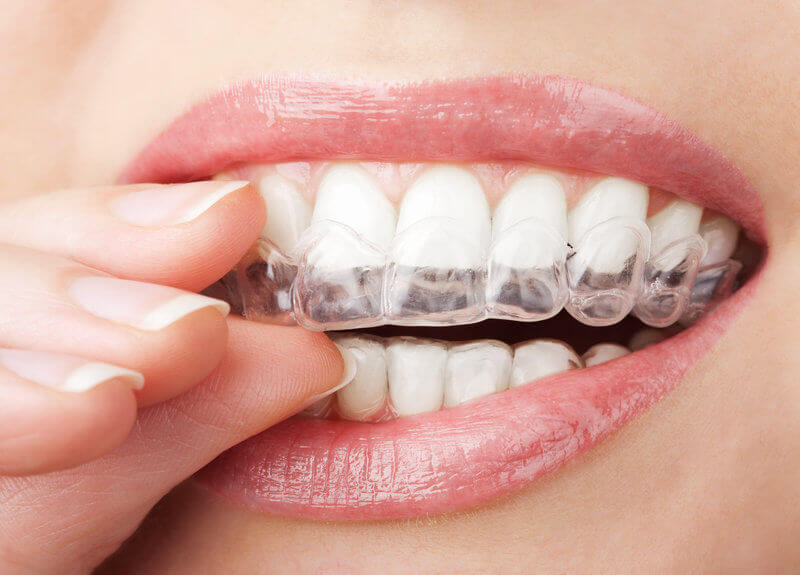
Invisalign is a modern orthodontic treatment that uses clear, removable aligners to gradually move teeth into their desired positions. Unlike conventional metal braces, Invisalign aligners are virtually invisible, making them an attractive option for those who prioritise aesthetics.
The Benefits of Invisalign
Aesthetics and Comfort
One of the most significant benefits of Invisalign is its clear design, which allows users to maintain a natural smile throughout the treatment. Additionally, the aligners are custom-made to fit snugly over the teeth, offering a level of comfort not always possible with metal braces.
Convenience and Flexibility
With Invisalign, patients can conveniently remove the aligners for eating, drinking, and oral hygiene routines, which helps maintain overall dental health. This flexibility also means that there are no food restrictions, unlike with traditional braces.
How Invisalign Works
Initial Consultation
The treatment begins with an initial consultation, where a dentist or orthodontist assesses the patient’s dental structure and discusses their goals. Advanced 3D imaging technology is used to create a customised treatment plan.
Customisation and Fabrication
Based on the treatment plan, a series of custom aligners are fabricated. These aligners are designed to make incremental adjustments to the position of the teeth, and patients typically switch to a new set every one to two weeks.
Wearing the Aligners
For optimal results, aligners must be worn for at least 20-22 hours per day. This ensures that the teeth move according to the treatment plan without unnecessary delays.
Monitoring Progress
Regular check-ups with the dental professional are necessary to monitor the progress and make adjustments as needed. These appointments are generally less frequent than those required for traditional braces, adding to the convenience of Invisalign.
Post-Treatment Retention
After the active phase of Invisalign treatment, patients typically transition to a retainer phase to maintain the new position of the teeth. This phase is crucial to prevent any regression and to preserve the smile achieved.
Invisalign and Oral Hygiene
Invisalign makes it easier for individuals to maintain their oral hygiene as the aligners can be removed. Users can continue to brush and floss their teeth without obstruction, reducing the risk of cavities and plaque build-up during treatment.
Comparing Invisalign and Traditional Braces
When comparing Invisalign to traditional braces, patients often find the former to be a more comfortable and aesthetically pleasing choice. However, not all orthodontic issues can be addressed with Invisalign, making professional consultation essential.
Conclusion
Invisalign treatment represents a significant advancement in orthodontics, offering patients a discreet and convenient way to straighten their teeth. For anyone considering orthodontic treatment, a consultation about Invisalign could provide insights into whether this innovative option suits their needs.
