

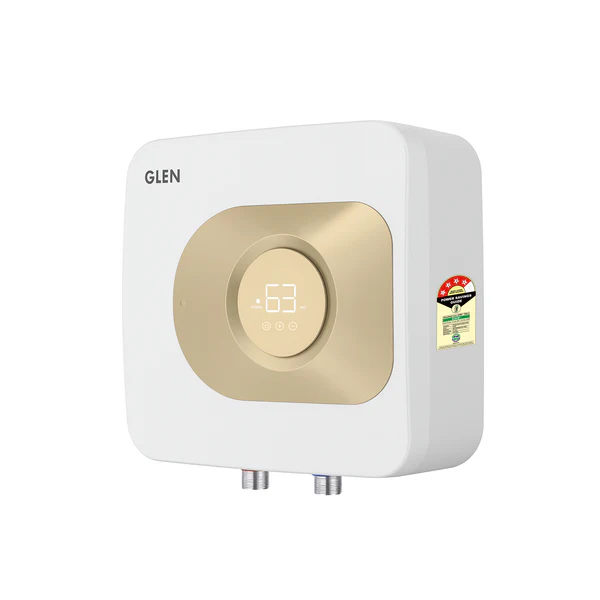
Hot water systems now carry more weight than simple comfort. Power load, safety control, heat retention, and build quality shape daily use. Buyers compare heating speed, tank strength, and power use before shortlisting options. Geysers today work under higher demand from compact homes and shared spaces. The best geysers balance heat output with controlled power use. They also protect users from pressure, heat spikes, and wiring faults. Modern control boards and insulation methods have raised baseline expectations. Buyers now expect steady heat, low noise, and stable water flow. These changes explain why choosing geysers in 2026 needs feature-based thinking, not brand recall. A good decision reduces repair needs and long-term power waste. It also improves daily routines without adding risk or upkeep stress.
Safety Systems That Protect Users Every Day
Safety features now shape buying decisions more than design. Overheat cut-offs prevent water from crossing safe limits. Pressure relief valves manage sudden flow changes during peak use. Thermal fuses stop power flow during internal faults. These layers work together, not alone. Good geysers include insulated wiring paths and sealed heating zones. This reduces short circuit risks during long use cycles. Dry heating protection matters in areas with irregular water supply. It stops coil damage when tanks run empty. Shock-proof outer bodies add another layer of safety in damp spaces. The best geysers combine these features without complex controls. Simple indicators help users track system health. Safety is not optional. It defines trust and daily peace of mind.
Energy Rating and Power Use Control
Power use affects both cost and system life. Energy-rated geysers manage heat loss better through thick insulation. This keeps water warm longer without reheating cycles. Smart thermostats regulate power draw based on stored temperature. This avoids constant on-off switching. Efficient heating coils convert power into heat faster. They also reduce scale build-up over time. Some systems support low watt modes for off-peak use. This helps users plan heating without overload. The best geysers balance recovery time with steady power flow. They do not chase speed at the cost of power spikes. Good energy design lowers monthly bills and extends component life. It also reduces stress on home wiring systems.
Capacity Choices That Match Real Use
Tank size should match actual daily demand. Small households need quick recovery, not large storage. Larger families need stable output during back-to-back use. Oversized tanks waste power through idle heat loss. Undersized tanks strain heating coils and raise wait times. Modern geysers offer varied capacities with similar outer size. This helps fit tight spaces without capacity loss. Vertical and horizontal layouts add flexibility in installation. The best geysers provide even heat across the tank. Cold pockets lead to mixed output and poor comfort. Buyers should think in use cycles, not liters alone. Morning rush patterns matter more than total volume.
Build Quality and Tank Durability
Tank life defines overall value. Inner tank coatings protect against rust and mineral damage. Glass-lined and enamel layers reduce corrosion risks. High-grade steel shells resist pressure changes during heating cycles. Weld quality affects leak risk over years of use. External bodies should resist moisture and heat exposure. Good geysers use thick insulation jackets to protect both tank and casing. This also improves heat retention. Durable mounts and brackets reduce vibration stress. The best geysers feel solid without excess weight. Balanced construction improves safety and reduces service calls. Durability matters more than surface finish or color.
Heating Technology and Performance Stability
Heating elements decide recovery speed and consistency. Copper elements heat faster but need scale control. Incoloy elements resist mineral damage better in hard water areas. Even heat spread avoids hot spots inside the tank. This protects coatings and improves output balance. Stable thermostats prevent temperature swings during draw cycles. Geysers with controlled watt density last longer under daily use. Silent operation also reflects good internal layout. Noises often signal scale or stress. The best geysers maintain output without strain. Performance should stay steady across seasons. This shows sound engineering rather than raw power focus.
Ease of Use and Maintenance Design
Simple controls improve long-term satisfaction. Clear temperature knobs beat complex touch panels. Indicator lights help track heating status at a glance. Drain valves placed well ease periodic cleaning. Scale build-up reduces efficiency and tank life. Easy access encourages basic care without service calls. Wall mounts should allow safe removal if needed. Compact geysers help in small utility spaces. Cable routing and pipe alignment also matter during install. The best geysers reduce friction across ownership stages. Ease of use matters as much as core features. A system that users understand lasts longer and performs better.
Conclusion
Choosing the right system now requires feature awareness, not guesswork. Safety layers protect daily use without added effort. Energy control reduces waste and improves system health. Capacity matched to real use prevents strain and delays. Durable tanks and stable heating extend service life. When these elements align, geysers deliver comfort with control. Buyers looking at future-ready options often value balanced design over flashy claims. In this space, Glen Appliances has built a reputation for focusing on safety, efficiency, and durable construction. Their approach reflects the practical needs discussed across this guide. Thoughtful feature selection ensures the best geysers remain reliable, safe, and efficient through years of use.
