

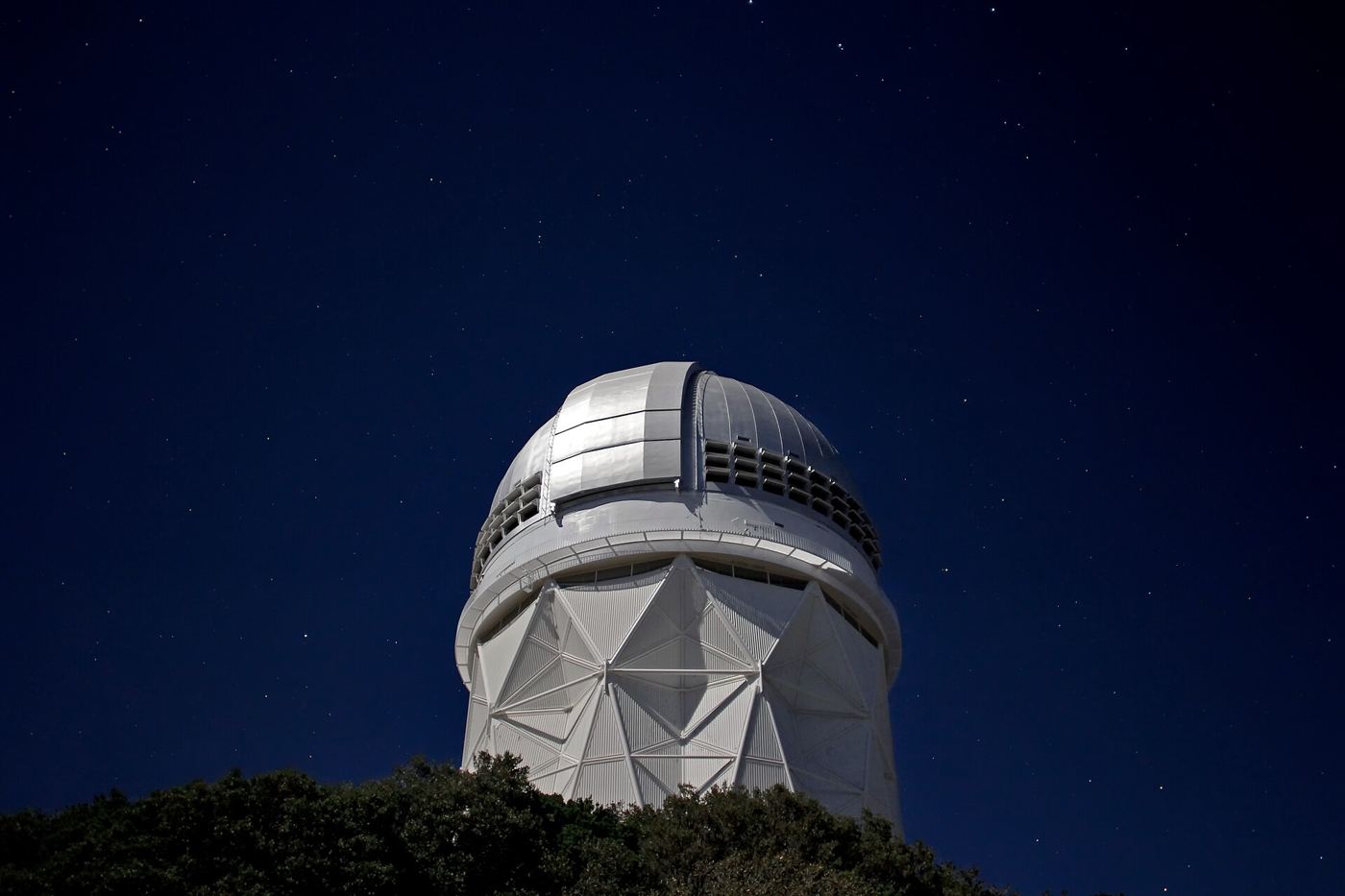
Mountain observatories across different continents are coordinating their observing schedules to track fast moving comets without losing them in daylight or bad weather. A comet brightening near the sun can change noticeably within hours, developing jets, tails and outbursts that a single site would miss during its daytime. By handing the target from one longitude to the next, the network achieves nearly continuous coverage, rather like a relay race run around the planet. Shared planning software assigns each observatory the hours when the comet sits highest in its local sky and flags the measurements most urgently needed. The collaboration includes professional facilities and advanced amateur observers whose telescopes, though smaller, fill gaps and provide rapid alerts when brightness suddenly changes. Standardised filters and calibration methods ensure that images from different sites can be combined into one reliable record. Scientists use the continuous light curves to study how comet nuclei rotate and how buried ice responds as sunlight strengthens. Gas and dust production rates, tracked night by night, reveal the composition of material untouched since the solar system formed. The approach proved its worth during recent bright comet apparitions and is now being formalised into a standing alert system for newly discovered visitors.
What the Evidence Shows
Comets remain among the least predictable major targets in astronomy, capable of flaring dramatically or quietly disintegrating as they approach the sun. Continuous tracking catches those turning points, which sporadic observation would record only as unexplained before and after states. When a comet fragments, network members can follow separate pieces and measure how quickly they drift apart, informing models of the nucleus internal strength. The data also protect spacecraft, because missions visiting comets or passing through their dust trails need current activity estimates rather than historical averages. Organisers say the social structure matters as much as the telescopes, with clear credit rules encouraging busy observatories to share time critical measurements immediately. Training workshops help smaller sites adopt the standard methods, expanding the network into regions whose skies were previously unrepresented. Archiving is handled centrally, so a student anywhere can assemble a complete comet campaign from public data. As survey telescopes discover more comets earlier, the network expects demand for follow up to grow sharply. The oldest science of watching wandering stars is thus acquiring a modern rhythm, coordinated across mountains and oceans so that the sky is, in effect, never left unwatched. Reporting and analysis from sources such as National Science Foundation track the same developments, and specialists following coordinated comet tracking network say the direction is now consistent across independent lines of evidence.
The Wider Context
The wider context is a research landscape in which replication and open data now decide reputations. Findings connected to coordinated comet tracking network are being checked by independent groups with shared datasets, and the teams involved publish their methods in full so rivals can test every step. That discipline is slower than a headline cycle, but it is why results in this area increasingly survive first contact with scrutiny.
What Happens Next
What happens next in the story of coordinated comet tracking network will be decided by follow-up work already under way: larger samples, longer observation and instruments that have not yet come online. The researchers involved are unusually united on one point, that the current results justify the next investment of time and money. Readers will not have to wait long for the first tests of that claim. You can follow related developments in our coverage of science.
There is a practical lesson in all of this for readers deciding what to do today. Start with the verified facts, be wary of anyone promising certainty, and prefer reversible steps while the evidence is still developing. Circumstances differ by country, income and personal situation, so general guidance should always be weighed against your own context before you act on it in any significant or lasting way.
