

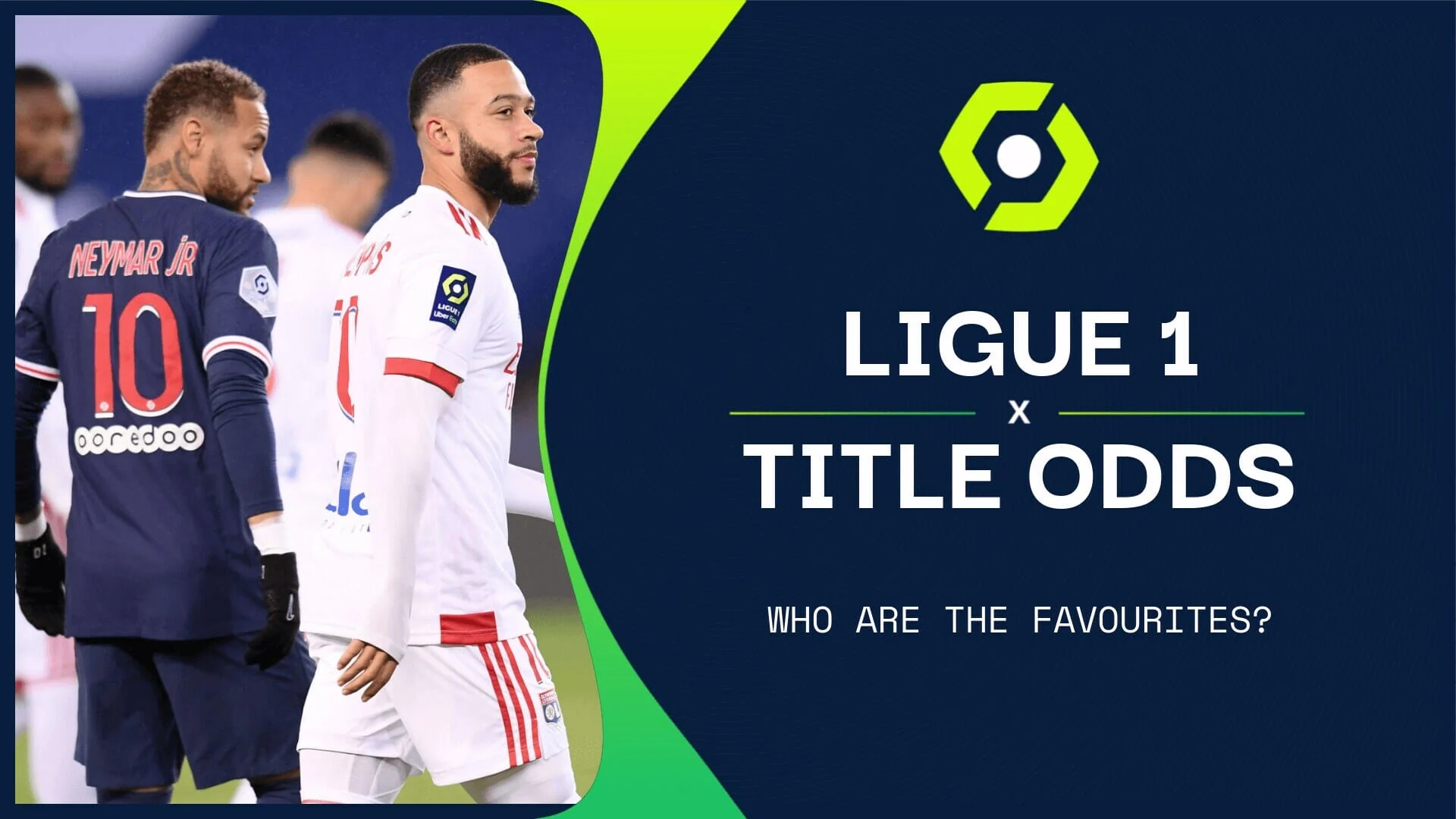
Not all high-pressure matches are created by tactical ambition alone. In Ligue 1, fixtures where both teams apply intense pressure usually emerge from a convergence of structural necessity, squad profile, and competitive context. These matches tend to feel chaotic, but the underlying logic is often clear: neither side is comfortable conceding control, and both accept elevated risk to disrupt the opponent early. Understanding these fixtures requires separating emotional intensity from repeatable tactical behavior.
Why mutual high pressure appears in specific Ligue 1 matchups
High pressure from both teams rarely occurs by coincidence. It often reflects symmetrical incentives, where conceding territory is perceived as more dangerous than leaving space behind. When both sides rely on early ball recovery to generate chances, pressing becomes the primary defensive and offensive tool simultaneously. In Ligue 1, this is common when two teams share similar squad age profiles, athletic capacity, and tolerance for transitional exposure, creating feedback loops of pressure rather than phases of rest.
Tactical triggers that force both teams to press
Certain tactical triggers make passive defending structurally unsafe. Teams that build with center-backs split wide and goalkeepers involved invite pressure by design. When both sides employ these buildup patterns, pressing becomes reciprocal rather than reactive. Each turnover reinforces the belief that pressure works, encouraging continued aggression. The outcome is sustained pressing intensity on both sides, not because it is optimal in isolation, but because disengaging would concede immediate initiative.
Team profiles most likely to produce mutual pressure games
Fixtures involving teams with established pressing identities are more likely to sustain two-sided pressure. Clubs such as RC Lens, Lille OSC, and Stade Rennais frequently enter matches with non-negotiable intensity principles. When these sides face each other, neither adjusts downward easily, leading to compressed spaces, rapid turnovers, and limited controlled possession phases.
How pressing symmetry alters match rhythm
When both teams press aggressively, match rhythm shifts away from buildup sequences toward repeated short cycles. Possession phases shorten, and rest defense becomes more important than attacking shape. The ball travels vertically more often, not as a stylistic preference but as an escape mechanism. This rhythm reduces tactical pauses, increasing physical demand and error probability. In Ligue 1, where squads outside the elite often lack depth, this can sharply affect second-half performance profiles.
Data signals that confirm both teams are under pressure
Before evaluating outcomes, analysts look for confirmation that pressure is truly mutual rather than one-sided. This requires more than visual intensity. Several data patterns tend to appear together when both teams are actively pressing, reinforcing that the match environment is structurally demanding rather than emotionally charged.
Teams in these fixtures often show:
- Low PPDA values on both sides within the first 20 minutes
- High turnover frequency in middle thirds rather than deep zones
- Elevated duel counts per minute, especially involving midfielders
- Suppressed long possession sequences despite balanced possession shares
Interpreting these signals together helps avoid misclassification. A match may appear intense, but if pressure metrics are asymmetrical, the dynamic usually stabilizes. When both sides sustain these indicators, the game rarely slows without an external interruption such as a goal or injury, which directly impacts subsequent tactical choices.
In-play interpretation and market awareness
As these patterns develop, in-play interpretation becomes less about predicting control and more about anticipating disruption. When neither team can establish sustained possession, volatility rises, but not always in goal output. Observers comparing live conditions across a betting interface may notice that markets sometimes struggle to adjust for mutual pressure dynamics. Under these situational conditions, references to ufabet168 vip may appear during broader market reviews, not because of platform features, but because live odds movement reflects how constant pressure compresses expected value into short, unpredictable sequences rather than extended trends.
Where mutual high pressure tends to break down
Despite its intensity, two-sided pressing is fragile. Fatigue, minor injuries, or tactical fouls can disrupt synchronization. Once one team drops intensity even slightly, the other often gains disproportionate control, as pressing systems rely on collective timing rather than individual effort. Ligue 1 matches frequently see this shift after halftime, where one side recalibrates while the other continues pressing, creating asymmetry that reshapes the match entirely.
Conditional scenarios that reduce pressure sustainability
Mutual pressure declines sharply when one team scores early and adopts a more compact rest-defense posture. Similarly, officiating that penalizes contact aggressively discourages repeated pressing duels.
Summary
Ligue 1 fixtures where both teams apply high pressure are defined by shared incentives, similar squad profiles, and structural intolerance for passive defending. These matches feature compressed space, rapid turnovers, and elevated physical demand, producing distinctive rhythms that differ from one-sided pressing games. While visually intense, they are tactically fragile and prone to sudden shifts once synchronization breaks. Understanding these dynamics allows for clearer interpretation of why certain matchups remain relentlessly pressured while others quickly stabilize.
