

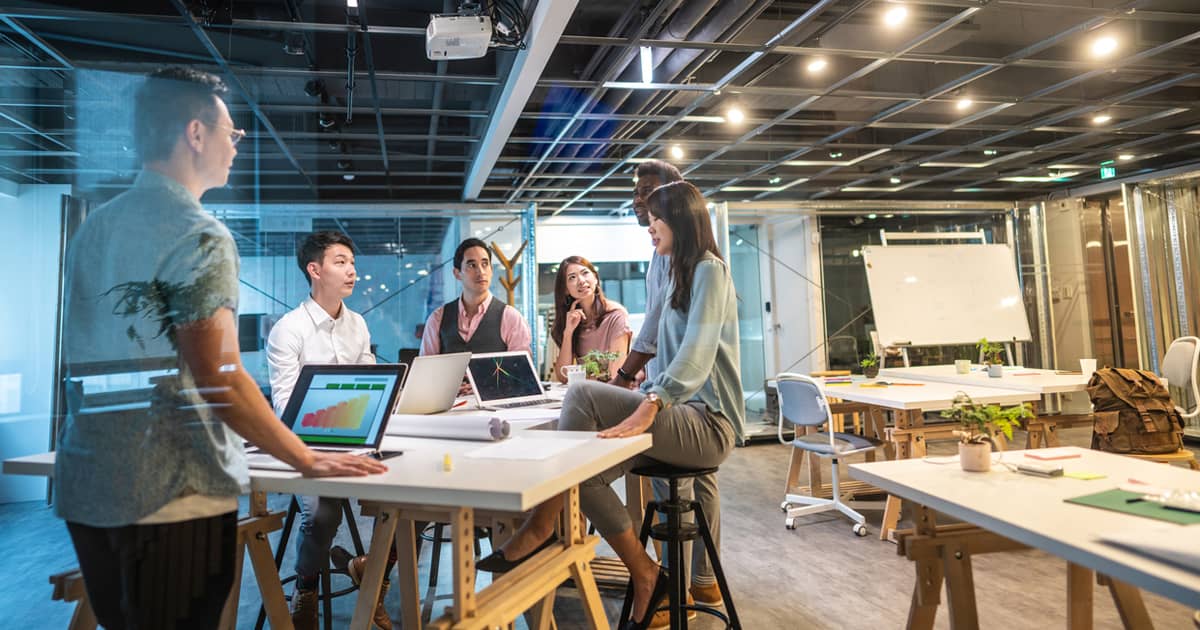
Attracting and retaining skilled employees has become increasingly competitive across many industries. Salary and benefits still matter, but modern employees now place growing importance on workplace experience, flexibility, wellbeing, collaboration opportunities, and overall company culture. The physical office environment plays a much larger role in shaping these perceptions than many businesses previously realised.
As hybrid work models and evolving workforce expectations continue reshaping modern workplaces, companies are investing more heavily in office interior design to create environments that support employee satisfaction, productivity, and long term retention.
First Impressions Influence Recruitment
Office design often shapes a candidate’s first impression of a company before employment even begins. A well designed workplace can communicate professionalism, innovation, organisation, and company culture immediately during interviews or office visits.
Poorly maintained or outdated spaces may unintentionally suggest operational disorganisation or lack of employee investment.
Modern businesses increasingly recognise that workplace appearance can influence how attractive the organisation feels to potential talent.
Employees Want Comfortable Work Environments
Comfort directly affects employee experience and daily productivity. Lighting quality, ergonomic furniture, acoustics, temperature control, layout flow, and access to natural light all influence how employees feel while working.
Offices designed without comfort in mind may contribute to fatigue, distraction, and lower overall satisfaction over time.
Businesses investing in office interior design for talent retention often prioritise creating environments that support both physical comfort and mental wellbeing throughout the workday.
Comfort has become a major factor in workplace satisfaction.
Flexible Spaces Support Modern Work Styles
Modern employees increasingly expect flexibility in how and where they work. Traditional office layouts with fixed desks and rigid structures are gradually being replaced by more adaptable environments supporting collaboration, focused work, meetings, and informal interaction.
Flexible workspaces allow employees to choose environments better suited to different tasks and communication needs throughout the day.
Adaptability has become one of the most important trends shaping modern office design.
Workplace Design Influences Company Culture
Office environments strongly influence communication patterns, collaboration opportunities, and social interaction between teams.
Open collaboration zones, breakout areas, quiet workspaces, and thoughtfully designed communal areas can encourage stronger teamwork and healthier workplace culture when planned effectively.
Physical space now plays a direct role in supporting organisational culture and employee connection.
Wellbeing Focused Design Improves Retention
Employee wellbeing has become a major business priority, particularly as organisations address stress, burnout, and work life balance challenges more actively.
Natural lighting, greenery, relaxation spaces, acoustic control, wellness rooms, and biophilic design elements are increasingly incorporated into office interiors to create calmer and healthier work environments.
Employees are more likely to remain with organisations where they feel supported and comfortable daily.
Technology Integration Matters More Than Ever
Modern offices must support seamless technology use across both in person and hybrid teams. Reliable meeting technology, flexible connectivity, charging access, collaborative digital systems, and hybrid conferencing spaces are now essential design considerations.
Workplace frustration often increases when office infrastructure fails to support modern communication and workflow expectations efficiently.
Technology ready environments improve both productivity and employee experience.
A Strong Workplace Identity Creates Connection
Office design can also reinforce company identity and help employees feel more connected to the organisation’s mission and values.
Thoughtful branding, consistent visual themes, local design influences, and purpose driven layouts often contribute to stronger workplace pride and engagement.
Employees generally respond positively to environments that feel intentional and aligned with company culture.
Retention Is Closely Linked To Experience
Retaining talented employees depends heavily on overall workplace experience rather than compensation alone. Workers increasingly compare how organisations support flexibility, collaboration, wellbeing, and professional satisfaction within the office environment itself.
A positive physical workplace may contribute to stronger morale, improved engagement, and lower turnover over time.
Businesses now view office design as part of broader employee retention strategy rather than purely aesthetic investment.
Helpful Related Workplace Design Research
Business leaders also benefit from reviewing hybrid workplace planning strategies and employee wellbeing focused office fitout trends because these related topics strengthen broader understanding of how physical environments influence workforce engagement and productivity.
Better workplace planning supports stronger long term retention outcomes.
Office Design And Talent Retention
Office interior design now plays a major role in how businesses attract, engage, and retain skilled employees. Modern workers increasingly expect environments that support comfort, flexibility, wellbeing, collaboration, and modern technology integration alongside traditional employment benefits.
Well designed workplaces help strengthen company culture, improve daily employee experience, and create stronger emotional connection between employees and the organisation.
As competition for top talent continues increasing, businesses that invest thoughtfully in workplace design are often better positioned to build healthier, more productive, and more stable long term teams.
