

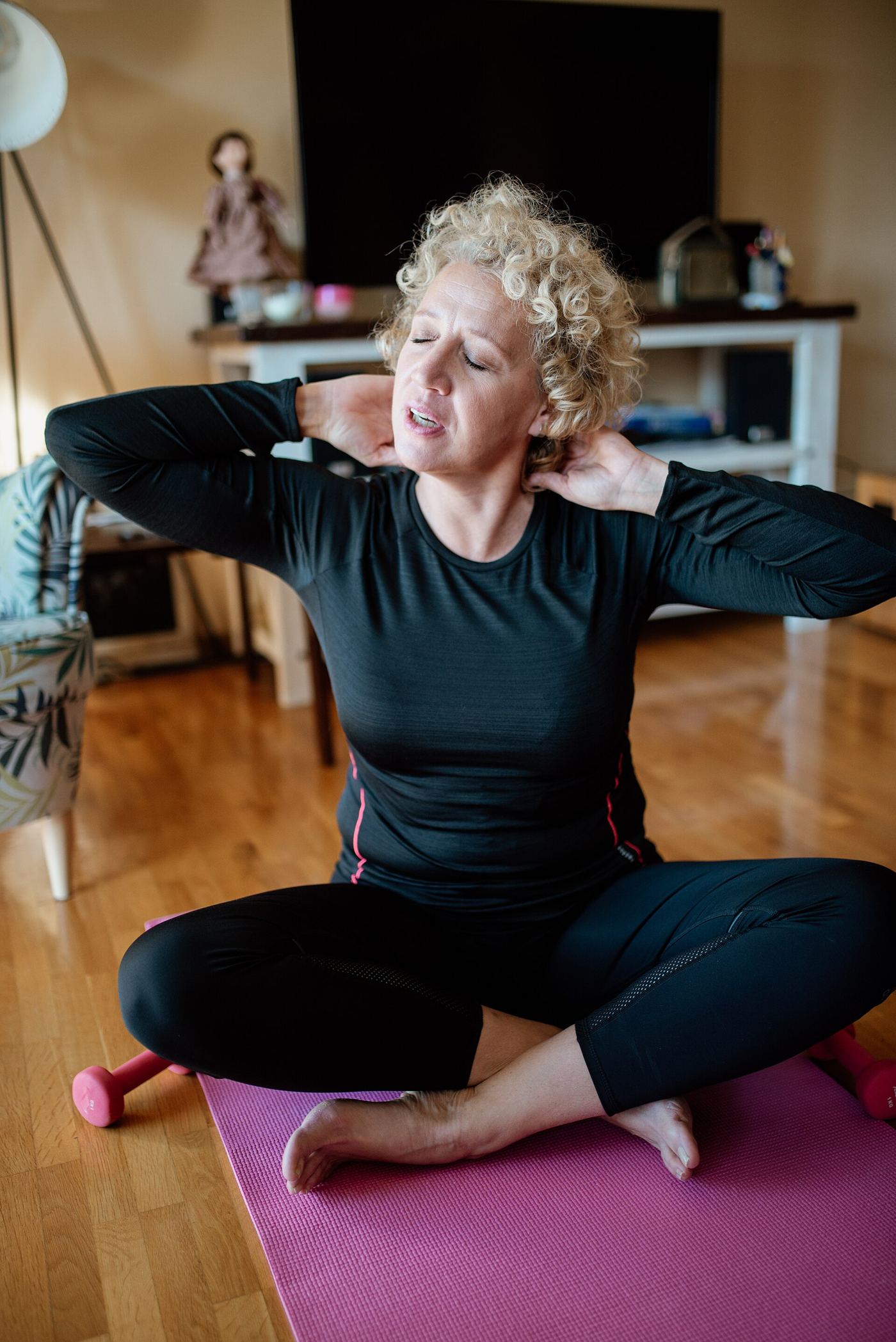
New habits fail most often at the moment of remembering, not at the moment of effort, which is why psychologists recommend attaching morning stretching to a cue that already happens without fail. The technique, called habit stacking, pairs the new behaviour with an established one: after the kettle goes on, after curtains open to the morning light, or straight after getting dressed. A person stretching at home in early light is usually not relying on motivation, which fluctuates, but on a sequence that runs almost automatically. Behaviour scientists find that specific if then plans, such as after I brush my teeth I will stretch for two minutes, dramatically improve follow through compared with vague intentions to stretch more. Apps and paper trackers can support the first fortnight, though psychologists say the cue itself, not the tracking tool, is what carries the habit long term.
What the Evidence Shows
Starting tiny protects the stack while it forms; two gentle minutes done daily build the routine faster than an ambitious twenty minutes done twice and abandoned. Psychologists advise keeping the cue, place, and time as consistent as possible for the first weeks, and placing any props, such as a mat, where they will be seen at the cue moment. Missing a day matters less than resuming the next morning without self criticism, since all or nothing thinking is a common reason routines collapse. After several weeks, many people find the stretch itself becomes the cue for the next step, such as making breakfast, and the morning gains a calmer, more deliberate order. Once the first stack feels automatic, a second small habit, such as drinking a glass of water, can be added behind it to extend the routine. Reporting and analysis from sources such as American Psychological Association track the same developments, and specialists following habit stacking for morning stretching say the direction is now consistent across independent lines of evidence.
The Wider Context
The wider context is a discipline rebuilding confidence through replication and pre-registration, and findings on habit stacking for morning stretching are being reported with their effect sizes and limits attached. That honesty can make results sound smaller than the headlines of a decade ago, but the effects that survive are the ones practitioners can responsibly build on.
What Happens Next
What happens next in research on habit stacking for morning stretching is a turn toward real-world trials: longer, larger and conducted in the schools, workplaces and clinics where the findings are meant to apply. Psychologists are also studying individual differences more seriously, because average effects conceal the people for whom an approach works powerfully and those it leaves cold. Both shifts make the science slower and more useful. You can follow related developments in our coverage of psychology.
There is a practical lesson in all of this for readers deciding what to do today. Start with the verified facts, be wary of anyone promising certainty, and prefer reversible steps while the evidence is still developing. Circumstances differ by country, income and personal situation, so general guidance should always be weighed against your own context before you act on it in any significant or lasting way.
