
Close Menu
GlobeMediaNews
    Facebook X (Twitter) Instagram
    Trending
    • Asking Questions in Class Predicts Deeper Learning
    • Page-Level Competitor Backlink Analysis: A Practical Growth Plan
    • Night-Before Planning Calms the Morning Rush, Diary Study Finds
    • Mission Teams Hunt for Plumes Venting From Europa’s Ocean
    • Automated Lighthouses Keep a Human Heritage Role
    • Agrivoltaics Lets Farms Harvest Crops and Sunshine Together
    • NBTExplorer: A Simple Editor for Minecraft World Save Files
    • Private Credit Faces Closer Scrutiny as It Grows Up
    Facebook X (Twitter) Instagram
    GlobeMediaNews
    • Home
    • Breaking News
    • Editorials
    • Fact Checks
    • Interviews
    • Investigative Reports
    GlobeMediaNews
    Home»Blog»Asking Questions in Class Predicts Deeper Learning
    Blog

    Asking Questions in Class Predicts Deeper Learning

    Anton KleinBy Anton KleinOctober 29, 2026No Comments3 Mins Read
    Share Facebook Twitter Pinterest Copy Link LinkedIn Tumblr Email VKontakte Telegram
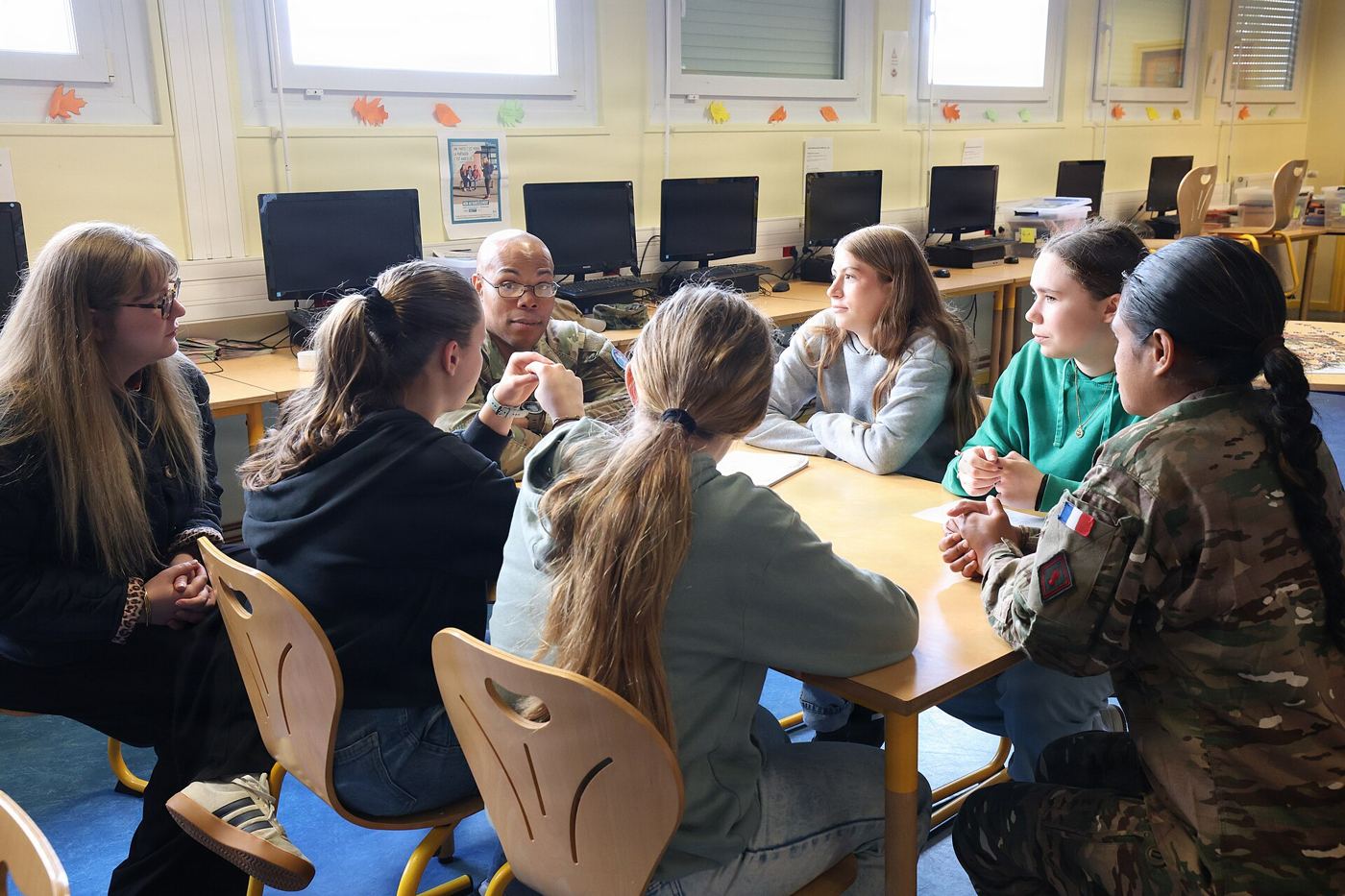
    students asking questions during a classroom lesson

    Students who ask questions in class tend to learn more deeply, education psychologists say, because formulating a question forces them to identify exactly what they do not yet understand. The habit also gives teachers useful signals about where explanations have landed and where confusion remains. Classrooms that welcome questions early usually see more of them throughout a course.

    What the Evidence Shows

    Teachers note that confidence, class size and fear of embarrassment all influence whether students speak up, so question-asking is partly a classroom culture issue. Written questions and small-group discussion can offer lower-pressure routes into the same habit. The deeper point is active engagement: students learn more when they test their understanding rather than simply receiving information passively. Reporting and analysis from sources such as American Psychological Association track the same developments, and specialists following question-asking in class say the direction is now consistent across independent lines of evidence.

    The Wider Context

    The wider context is a discipline rebuilding confidence through replication and pre-registration, and findings on question-asking in class are being reported with their effect sizes and limits attached. That honesty can make results sound smaller than the headlines of a decade ago, but the effects that survive are the ones practitioners can responsibly build on.

    What Happens Next

    What happens next in research on question-asking in class is a turn toward real-world trials: longer, larger and conducted in the schools, workplaces and clinics where the findings are meant to apply. Psychologists are also studying individual differences more seriously, because average effects conceal the people for whom an approach works powerfully and those it leaves cold. Both shifts make the science slower and more useful. You can follow related developments in our coverage of psychology.

    There is a practical lesson in all of this for readers deciding what to do today. Start with the verified facts, be wary of anyone promising certainty, and prefer reversible steps while the evidence is still developing. Circumstances differ by country, income and personal situation, so general guidance should always be weighed against your own context before you act on it in any significant or lasting way.

    It is also worth remembering how quickly the picture in this area has changed before. Positions that looked settled a few years ago have been revised as new data arrived, and the same humility is appropriate now. The strongest coverage of this subject, and the most useful advice, tends to come from sources that update their views openly when the facts move, rather than defending an earlier position long after it has stopped fitting the evidence available.

    None of this will be settled by a single announcement, study or product launch. The pattern to watch is accumulation: independent confirmations, honest reporting of failures and steady improvement in the underlying numbers. Readers who follow those signals, rather than the loudest claim of the week, will understand this subject better than most of the commentary surrounding it suggests is possible.

    learning questions
    Anton Klein

    Related Posts

    Blog

    Page-Level Competitor Backlink Analysis: A Practical Growth Plan

    October 28, 2026
    Blog

    Night-Before Planning Calms the Morning Rush, Diary Study Finds

    October 28, 2026
    Blog

    Mission Teams Hunt for Plumes Venting From Europa’s Ocean

    October 28, 2026
    Blog

    Automated Lighthouses Keep a Human Heritage Role

    October 25, 2026
    Blog

    Agrivoltaics Lets Farms Harvest Crops and Sunshine Together

    October 25, 2026
    Blog

    NBTExplorer: A Simple Editor for Minecraft World Save Files

    October 24, 2026
    Add A Comment
    Leave A Reply Cancel Reply

    Search
    Recent Posts

    Asking Questions in Class Predicts Deeper Learning

    October 29, 2026

    Page-Level Competitor Backlink Analysis: A Practical Growth Plan

    October 28, 2026

    Night-Before Planning Calms the Morning Rush, Diary Study Finds

    October 28, 2026

    Mission Teams Hunt for Plumes Venting From Europa’s Ocean

    October 28, 2026
    Categories
    • Blog
    • Breaking News
    • Editorials
    • Fact Checks
    • Interviews
    • Investigative Reports
    About Us

    GlobeMediaNews delivers unfiltered, unbiased coverage of global events, politics, and breaking stories with relentless accuracy, sharp clarity,

    and fearless reporting—news without spin, truth without compromise, facts that speak for themselves. #GlobeMediaNews

    Facebook X (Twitter) Instagram Pinterest YouTube
    Latest Posts

    Asking Questions in Class Predicts Deeper Learning

    October 29, 2026

    Page-Level Competitor Backlink Analysis: A Practical Growth Plan

    October 28, 2026

    Night-Before Planning Calms the Morning Rush, Diary Study Finds

    October 28, 2026
    Contact Us

    We welcome your feedback and inquiries at GlobeMediaNews. Whether you have a news tip, an advertising request, or need support, feel free to reach out.

    Email: contact@outreachmedia .io
    Phone: +92 305 5631208

    Address: 4427 Little Street
    Akron, OH 44311

    Copyright © 2026 | All Right Reserved | GlobeMediaNews

    • About Us
    • Contact Us
    • Disclaimer
    • Privacy Policy
    • Terms and Conditions
    • Write For Us
    • Sitemap

    Type above and press Enter to search. Press Esc to cancel.

    WhatsApp us