

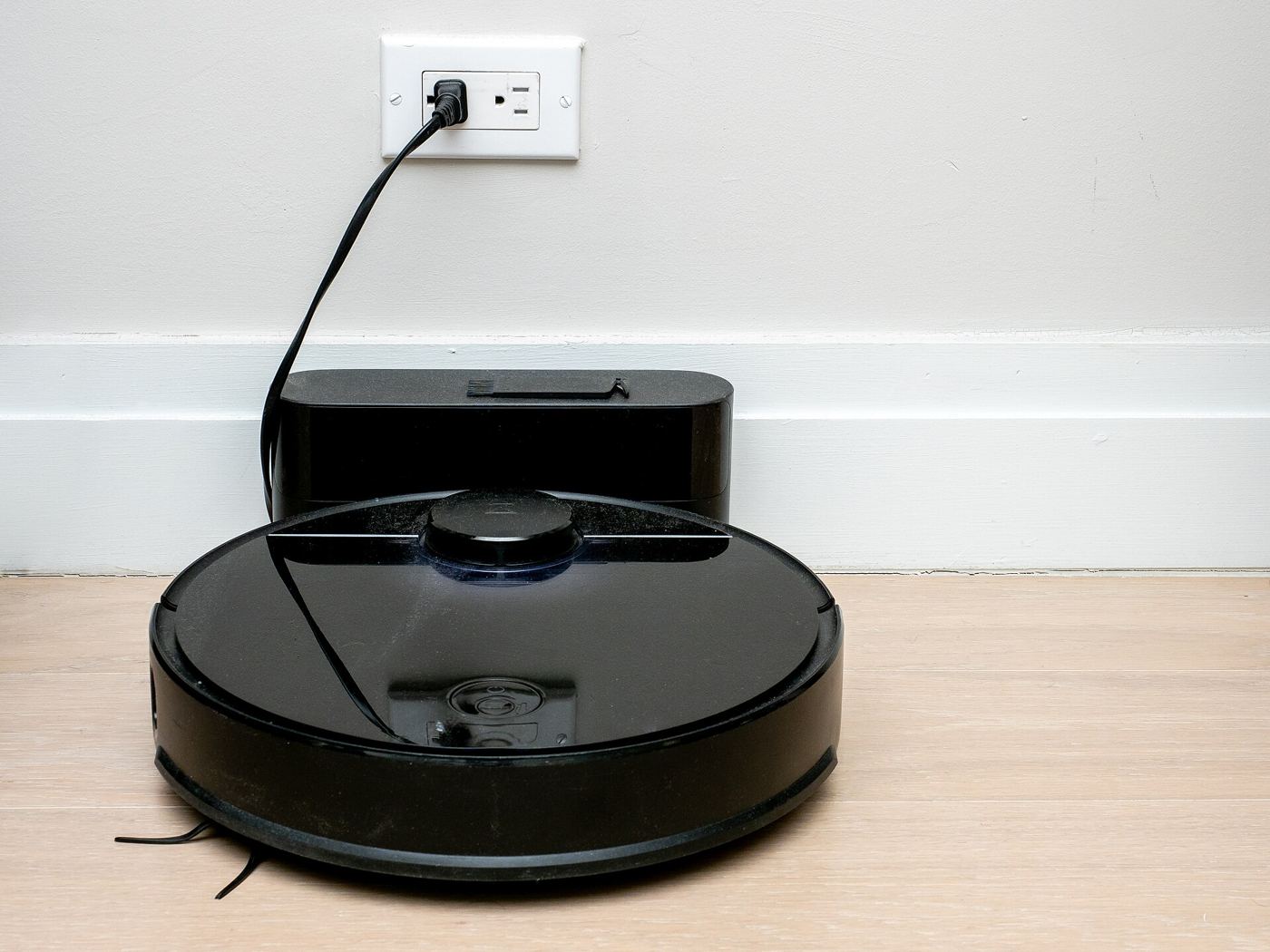
A robot vacuum is a flat disc that wanders the floor on its own, sucking up dust and crumbs while its owner gets on with the day. Early models bounced around rooms at random, missing spots and getting stuck under furniture, but modern versions are far cleverer. They build a map of the home with lasers or cameras, plan a neat route from room to room, and return to their dock to recharge when the battery runs low. Many can be told to clean the kitchen after dinner or the hallway before guests arrive, and some empty their own dustbins into a larger bag in the dock, so the owner only needs to intervene every few weeks. The appeal is simple: floors that stay clean without anyone pushing a vacuum cleaner around. For busy households and pet owners, that promise is hard to resist. Pet owners value them most, since daily runs keep fur and dander from building up on floors and rugs.
What the Evidence Shows
The latest robot vacuums do more than sweep. Many now mop as well, dragging a damp pad behind them or lifting it when they cross a rug, and some can detect the dirtiest areas and give them an extra pass. Obstacle avoidance has improved too, with cameras and sensors that spot cables, shoes and pet bowls before the machine tangles itself up. Owners can draw no-go zones on the map in the app, keeping the robot out of a child’s play area or away from a fragile vase. There are limits: robot vacuums cannot climb stairs, they struggle with deep-pile carpets and thick rugs, and they still need their brushes and filters cleaned. Even so, for daily maintenance cleaning, they have become a fixture in millions of homes, quietly working while nobody watches. Reporting and analysis from sources such as IEEE Spectrum track the same developments, and specialists following the robot vacuums mapping homes and cleaning on schedule say the direction is now consistent across independent lines of evidence.
The Wider Context
Adoption of the robot vacuums mapping homes and cleaning on schedule follows a familiar pattern with an unfamiliar speed. Early users tolerate rough edges in exchange for advantage, mainstream users arrive when the tool disappears into existing workflows, and the market consolidates around whoever made that transition feel effortless. Vendors are racing less on raw performance now than on integration, support and trust.
What Happens Next
The realistic forecast for the robot vacuums mapping homes and cleaning on schedule is steady integration rather than sudden replacement: embedded in products people already use, improving in increments, and regulated in proportion to its reach. The companies and institutions that plan on that basis, training staff and redesigning processes instead of chasing launches, are the ones the adoption data tends to vindicate. You can follow related developments in our coverage of technology.
It is also worth remembering how quickly the picture in this area has changed before. Positions that looked settled a few years ago have been revised as new data arrived, and the same humility is appropriate now. The strongest coverage of this subject, and the most useful advice, tends to come from sources that update their views openly when the facts move, rather than defending an earlier position long after it has stopped fitting the evidence available.
