

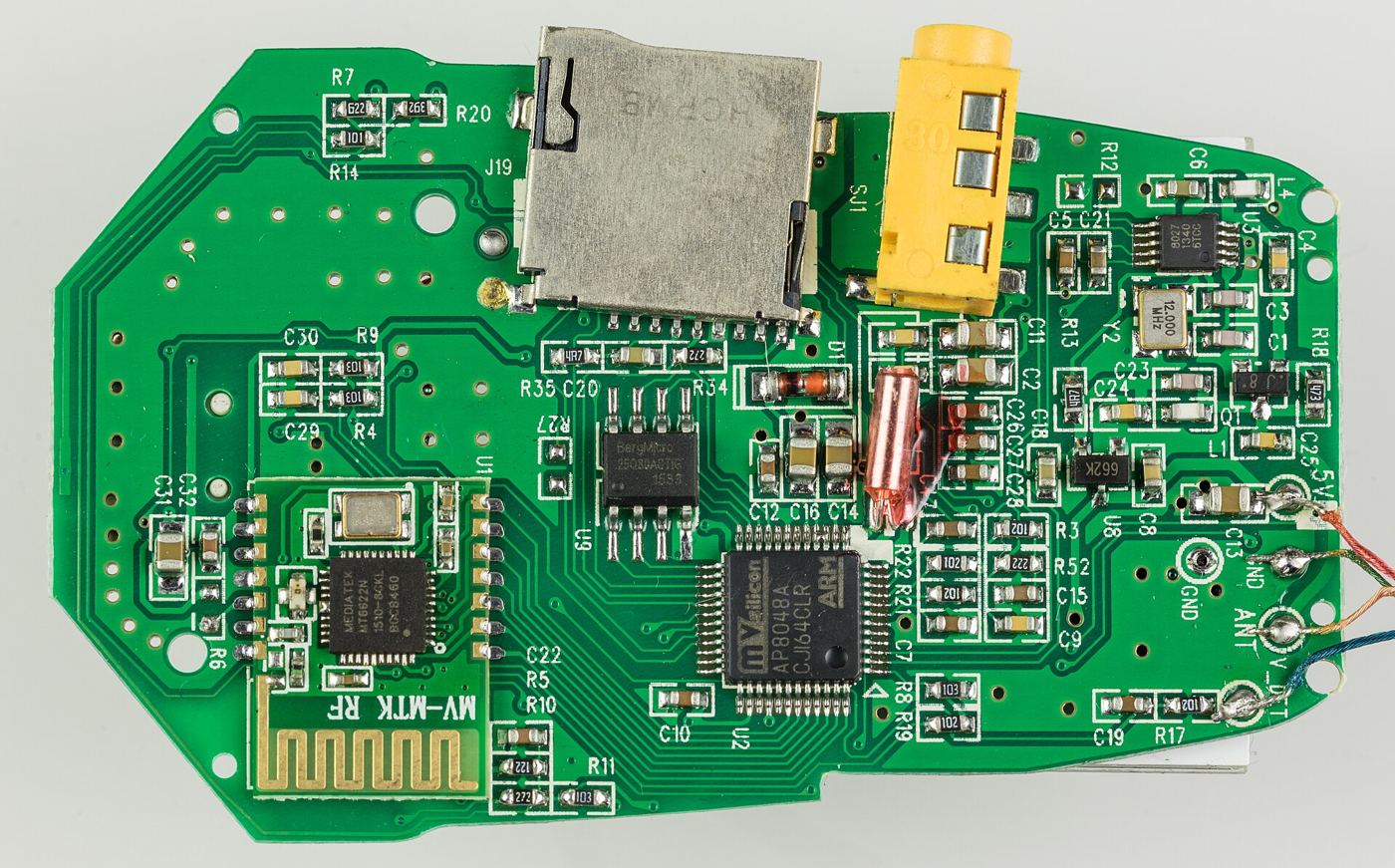
Smartphone processors are being redesigned around a practical promise: translate a conversation instantly, on the device itself, without sending your words to a distant server. Chip designers are adding dedicated neural hardware tuned for the small language models that translation needs, along with memory arrangements that let those models run continuously without draining the battery or heating the phone in the user’s hand. On-device translation changes the privacy calculation of a translated conversation, because speech can be recognised, converted and spoken back without leaving the handset, which matters in hospitals, legal meetings and family situations where cloud processing feels intrusive. It also works where connectivity does not: on aircraft, in rural areas and during network outages, precisely the situations where travellers most need language help. The engineering trade-offs are real. Models small enough for a phone still trail the largest cloud systems on rare languages and idiom, and chip area spent on translation accelerators cannot be spent on graphics or cameras. Manufacturers are responding with hybrid designs that handle common language pairs locally at speed and offer the cloud only as an explicit option. Early user testing suggests people value the immediacy as much as the privacy, since removing the round trip removes the awkward pause that breaks conversation.
What the Evidence Shows
The shift has consequences beyond convenience. When translation runs locally, developers in smaller language communities can ship models tuned to their dialects without negotiating server costs, and schools can use translation tools on inexpensive devices without dependable internet. Chipmakers now compete on the quality of these accelerators, publishing benchmarks for tokens per second per watt that would have seemed arcane a few years ago. There are hard problems left: accents, code-switching between languages mid-sentence and domain vocabulary in medicine or engineering all expose the limits of compact models. Better on-device microphones and noise suppression help as much as raw compute, because a model cannot translate speech it misheard. Regulators interested in data protection are watching approvingly, since processing that never leaves the device satisfies many legal requirements by design rather than by policy promise. The trend points toward phones whose intelligence is increasingly private and personal, with the cloud used selectively rather than by default. For translation, the most international of phone features, that may be the right architecture: conversations stay where they happen, between the people having them, while the chip quietly does the heavy linguistic work in the background. Reporting and analysis from sources such as IEEE Spectrum track the same developments, and specialists following on-device translation hardware in phone chips say the direction is now consistent across independent lines of evidence.
The Wider Context
Adoption of on-device translation hardware in phone chips follows a familiar pattern with an unfamiliar speed. Early users tolerate rough edges in exchange for advantage, mainstream users arrive when the tool disappears into existing workflows, and the market consolidates around whoever made that transition feel effortless. Vendors are racing less on raw performance now than on integration, support and trust.
What Happens Next
The realistic forecast for on-device translation hardware in phone chips is steady integration rather than sudden replacement: embedded in products people already use, improving in increments, and regulated in proportion to its reach. The companies and institutions that plan on that basis, training staff and redesigning processes instead of chasing launches, are the ones the adoption data tends to vindicate. You can follow related developments in our coverage of technology.
