

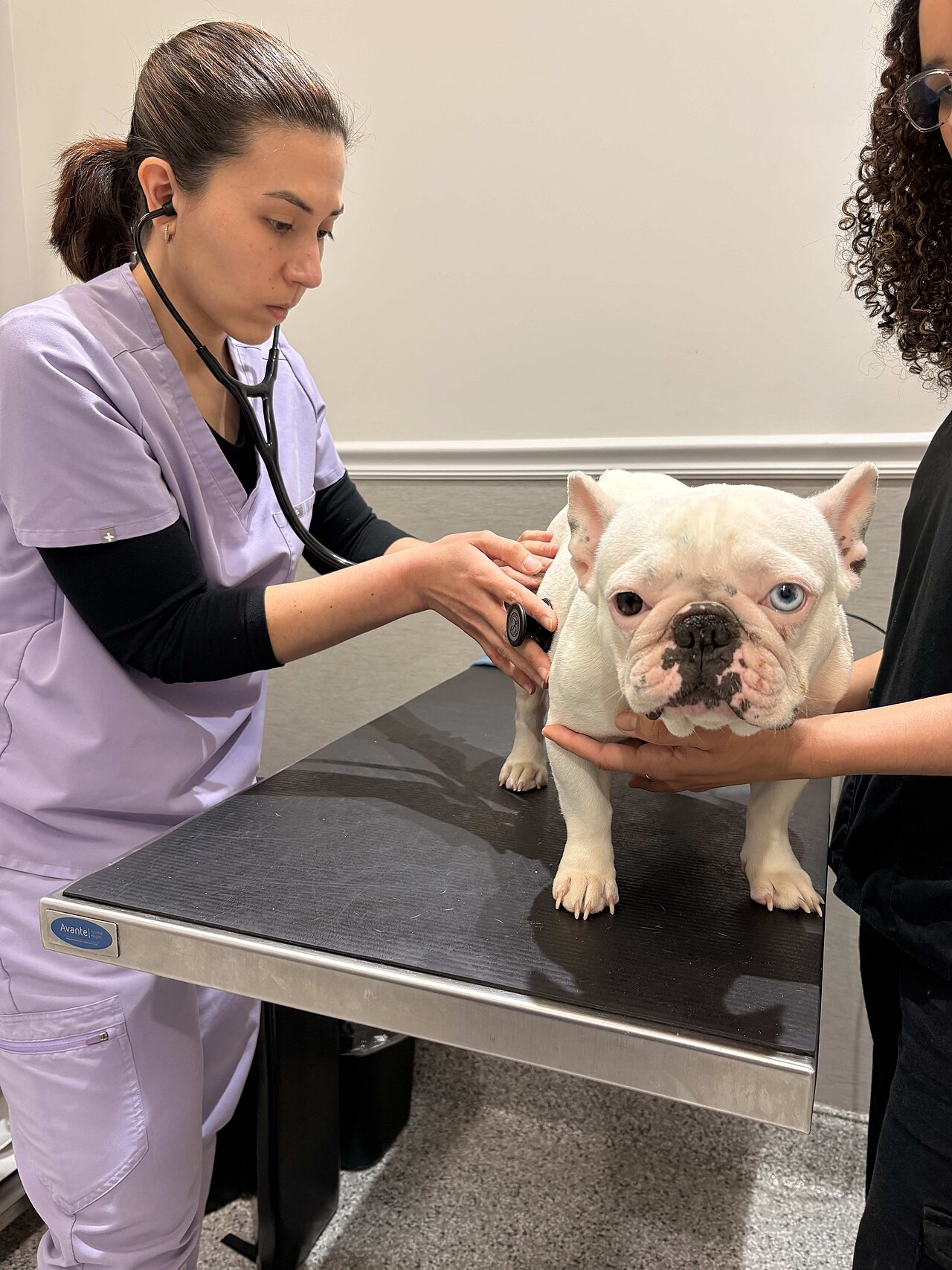
The microbes living in a dog’s gut may hold clues to how that dog behaves — and, improbably, to some of the hardest questions in human mental health. Researchers studying the microbiota-gut-brain axis are increasingly turning to dogs as a model for social and affective disorders, arguing that our oldest animal companions share not only our homes and diets but also aspects of our gut ecology and social cognition. The result is a fast-growing research field in which the family dog has become a scientific instrument.
The gut-brain axis is the two-way communication network linking the digestive system and the brain, running through the vagus nerve, the immune system and a flood of microbial metabolites. In humans, altered gut microbiomes have been associated with anxiety, depression and autism spectrum conditions, but human studies are notoriously hard to control: diets differ, medications interfere and cause and effect blur. Dogs offer a cleaner system. They live in human environments, eat comparatively controlled diets, develop naturally occurring behavioural conditions — separation anxiety, compulsive disorders, aggression — and can be studied without the ethical machinery of human trials. An overview of gut-brain research programmes is maintained by the US National Institutes of Health.
What the Canine Studies Are Finding
Studies comparing the gut microbiomes of dogs with behavioural diagnoses against calm controls have reported consistent differences in bacterial communities, including shifts in groups that produce short-chain fatty acids and neurotransmitter precursors. Some gut bacteria manufacture compounds related to serotonin and GABA, the brain’s main calming signal. The implication is not that a single ‘anxiety microbe’ exists, but that the gut ecosystem participates in setting an animal’s stress reactivity — and that changing the ecosystem, through diet, probiotics or faecal transfer in research settings, can measurably change behaviour.
Dogs are also unusually legible subjects. Their social behaviour toward humans is sophisticated and easily scored: eye contact, following pointing gestures, seeking comfort when stressed. That makes them valuable for studying the social dimension of gut-brain disorders in a way rodents, the traditional laboratory model, simply cannot match. A mouse does not look to a human for reassurance; a dog does, and researchers can measure when that seeking changes alongside the microbiome.
Why It Matters Beyond the Vet’s Office
The translational prize is obvious. If microbial signatures reliably track social and affective disorders in dogs, similar signatures — and eventually similar interventions — may apply in human psychiatry, a field desperate for biological markers. Veterinary medicine benefits first and most directly: behaviour problems are a leading reason dogs are surrendered to shelters, and even modest microbiome-informed tools, from targeted diets to screened probiotics, could keep anxious dogs in their homes. Our science coverage has followed the parallel boom in pet-industry probiotics, where the commercial claims currently run well ahead of the evidence the canine studies are now starting to supply.
Researchers are careful about the caveats. Most findings are correlational, sample sizes are modest, and breed, diet and household environment all move the microbiome at once. The field’s next phase — longitudinal studies tracking puppies as they mature, and controlled feeding trials with behavioural endpoints — will decide whether the gut-brain signal in dogs is a real mechanism or an attractive coincidence.
The Dog as Partner, Not Just Model
There is something fitting in the arrangement. Dogs evolved alongside humans for tens of thousands of years, adapting to our food, our homes and our emotions. Science is now discovering that the partnership runs deeper than behaviour: it runs through the shared microbial world of the household itself. Households, studies show, share microbes with their dogs. In studying the canine gut-brain axis, researchers may quite literally be studying a piece of our own biology, reflected back in a species we can finally observe closely enough to understand. Guidance on evidence-based pet health from the American Kennel Club reflects how quickly this research is reaching ordinary owners.
