

International trade looks simple on the surface. A buyer in one country places an order, a seller in another country ships the goods, and payment is exchanged. But in reality, global trade is governed by a complex set of rules that determine who is responsible for costs, risks, and logistics at every stage of the shipment.
One of the most important frameworks in international trade is Incoterms. These standardized trade terms define the responsibilities of buyers and sellers in cross-border transactions. Without a clear understanding of Incoterms, importers often face unexpected costs, delayed shipments, and legal disputes.
In today’s global economy, where small and medium businesses are increasingly involved in importing goods, understanding Incoterms is not optional. It is essential for risk management and profitability.
Equally important is maintaining accurate financial records of international transactions. Importers often rely on professional accounting service providers to track shipping costs, customs duties, taxes, and supplier payments, ensuring that all trade activities are properly recorded and compliant with financial regulations.
This guide explains what Incoterms are, how they work, and why every importer must understand them in detail.
Understanding What Incoterms Actually Are
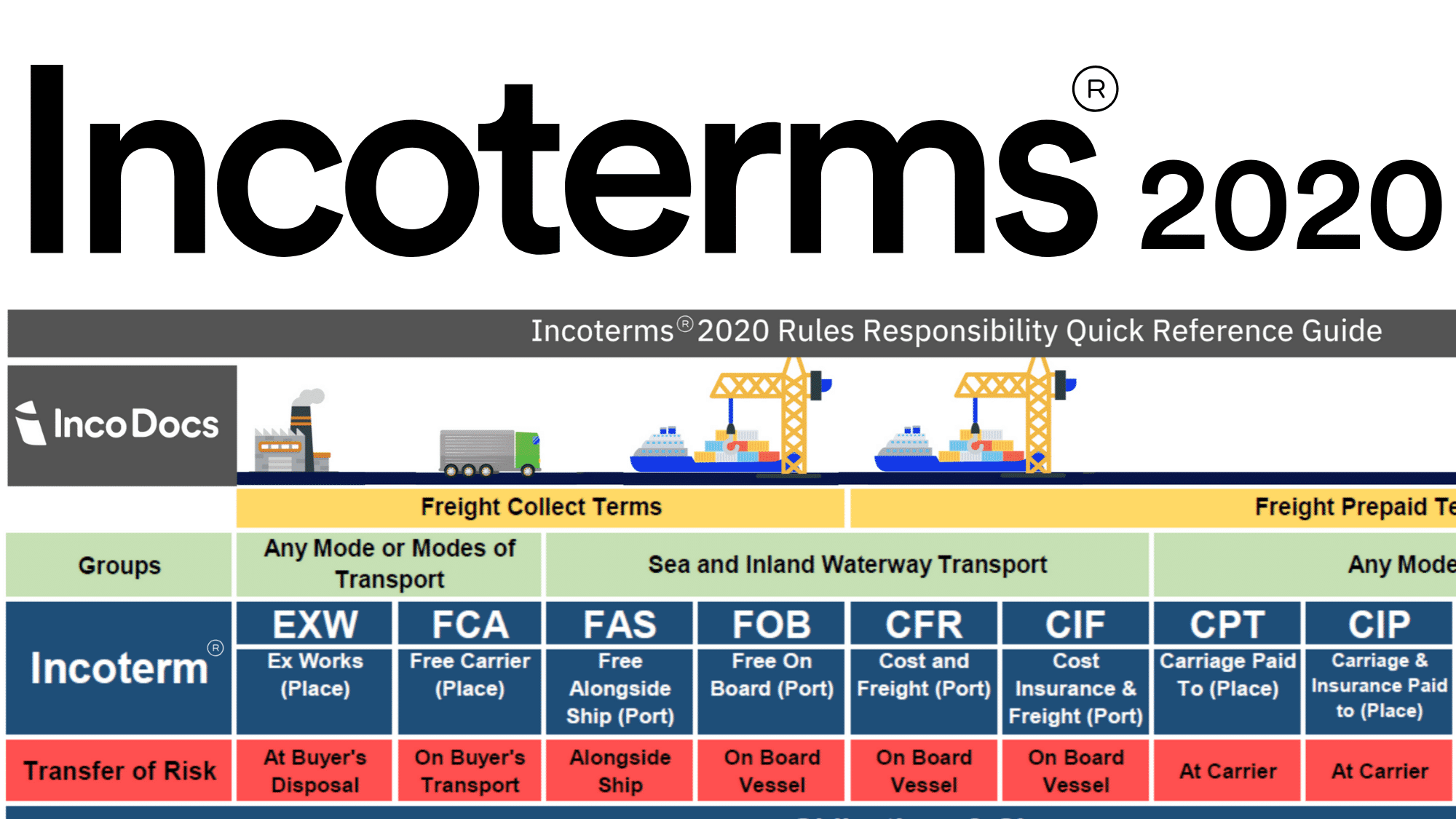
Incoterms, short for International Commercial Terms, are a set of globally recognized rules created by the International Chamber of Commerce.
These terms define the responsibilities of buyers and sellers in international transactions. They specify who pays for shipping, who handles insurance, who manages customs clearance, and at what point the risk transfers from seller to buyer.
Incoterms do not govern ownership of goods or payment terms. Instead, they focus purely on logistics and risk allocation.
By standardizing these rules, Incoterms eliminate confusion and reduce disputes in international trade.
Why Incoterms Were Created
Before Incoterms existed, international trade agreements were often unclear and inconsistent.
Different countries and companies used different definitions for shipping responsibilities, leading to misunderstandings and financial losses.
Incoterms were introduced to create a universal language for global trade.
They ensure that both buyers and sellers clearly understand their obligations before a transaction takes place.
This clarity reduces legal disputes and improves efficiency in international commerce.
How Incoterms Work in Practice
Every Incoterm defines a specific point at which responsibility for goods shifts from seller to buyer.
This includes physical responsibility, financial responsibility, and risk of loss or damage.
For example, in some terms, the seller is responsible until goods are delivered to the buyer’s warehouse. In others, responsibility transfers much earlier, such as when goods are loaded onto a ship.
Understanding this transfer point is critical because it determines who bears the risk if something goes wrong during shipping.
Common Types of Incoterms Importers Should Know
There are several Incoterms used in international trade, each defining different levels of responsibility.
Some terms place more responsibility on the seller, while others place more on the buyer.
For example, some agreements require the seller to handle shipping and insurance, while others require the buyer to manage transportation from the point of departure.
Each Incoterm affects cost structure, risk exposure, and logistics planning.
Choosing the wrong term can significantly impact profitability.
Why Incoterms Matter for Importers
For importers, Incoterms determine total landed cost, which includes product price, shipping fees, insurance, customs duties, and handling charges.
If an importer does not fully understand these terms, they may underestimate costs or assume responsibilities they did not plan for.
This can lead to unexpected financial burdens and operational delays.
Incoterms also affect supply chain control. Some terms give importers more control over logistics, while others shift control to the seller.
Understanding this balance is crucial for making informed purchasing decisions.
The Financial Impact of Incoterms on Importers
Incoterms directly influence financial planning in international trade.
They determine which party pays for transportation, insurance, and customs clearance.
Misunderstanding these responsibilities can lead to inaccurate budgeting and reduced profit margins.
This is why many import businesses rely on structured financial systems and professional accounting service support to track all import-related expenses accurately.
Proper accounting ensures that all costs associated with Incoterms are recorded correctly, including hidden fees that may arise during shipping or customs processing.
Without accurate financial tracking, businesses may miscalculate profitability per shipment or product line.
Risk Management in International Shipping
One of the most important aspects of Incoterms is risk allocation.
Risk refers to the responsibility for loss or damage of goods during transportation.
Different Incoterms define different points at which this risk transfers from seller to buyer.
If the importer does not understand this transfer point, they may assume the seller is responsible for damage when legally they are not.
This misunderstanding can result in disputes and financial losses.
Proper knowledge of Incoterms helps importers manage risk effectively and choose the right trade agreements.
How Incoterms Affect Logistics Decisions
Incoterms also influence how goods are transported and delivered.
Some terms require the seller to arrange full delivery, while others require the buyer to handle most of the logistics.
This affects shipping method, insurance requirements, and customs procedures.
Importers must choose Incoterms that align with their logistics capabilities and business strategy.
A mismatch can lead to inefficiencies and higher operational costs.
The Role of Documentation in Incoterms
International trade involves extensive documentation, including invoices, bills of lading, packing lists, and customs declarations.
Incoterms define who is responsible for preparing and managing these documents.
If documentation is incomplete or incorrect, shipments may be delayed or rejected at customs.
Accurate record-keeping is essential for compliance and financial reporting.
This is another reason why many importers rely on professional accounting service providers to maintain structured financial and trade documentation records.
Common Mistakes Importers Make With Incoterms
One of the most common mistakes importers make is assuming all shipping terms are the same.
Another mistake is failing to clarify responsibilities before finalizing contracts.
Some importers also ignore insurance requirements, which can lead to significant losses if goods are damaged in transit.
A lack of understanding of Incoterms often results in unexpected costs that could have been avoided with proper planning.
Education and clear communication are essential to avoiding these mistakes.
How to Choose the Right Incoterm
Choosing the right Incoterm depends on your business strategy, logistics capability, and risk tolerance.
If you want more control over shipping, you may choose terms that give the buyer more responsibility.
If you prefer convenience, you may choose terms where the seller handles most of the logistics.
There is no one-size-fits-all solution. The right choice depends on your operational capacity and financial planning.
Importers should carefully evaluate each agreement before finalizing contracts.
Incoterms and Global Business Expansion
As businesses expand into international markets, Incoterms become increasingly important.
They help standardize trade relationships across countries and reduce confusion in cross-border transactions.
For growing businesses, understanding Incoterms is part of building a scalable global supply chain.
Without this knowledge, expansion into international markets becomes risky and unpredictable.
Proper financial management, often supported by professional accounting service, ensures that global operations remain transparent and financially controlled.
Final Reflection
Incoterms are one of the most important foundations of international trade.
They define responsibilities, manage risk, and clarify costs between buyers and sellers.
For importers, understanding Incoterms is essential to avoid financial losses, operational delays, and legal disputes.
When combined with strong financial systems and proper record-keeping, including support from professional accounting service providers, businesses can manage international trade more efficiently and profitably.
In the end, successful importing is not just about buying goods from another country. It is about understanding the rules that govern global commerce and using them to build a stable and scalable business.
FAQs
What are Incoterms?
Incoterms are international trade rules that define responsibilities between buyers and sellers in global transactions.
Why are Incoterms important for importers?
They determine who pays for shipping, insurance, and customs, and who is responsible for goods at each stage of transport.
Do Incoterms affect pricing?
Yes, they directly impact total landed cost and overall profitability of imported goods.
Are Incoterms legally binding?
They are widely recognized international rules and become binding when included in a contract.
What happens if Incoterms are misunderstood?
It can lead to unexpected costs, disputes, delayed shipments, and financial losses.
How do Incoterms affect accounting?
They determine how shipping and import costs are recorded, which is why many businesses rely on accounting service support.
Do Incoterms include insurance responsibilities?
Some Incoterms require sellers to provide insurance, while others place responsibility on the buyer.
Can Incoterms be negotiated?
Yes, they are agreed upon between buyer and seller before finalizing a trade contract.
You should also read: TechAiTech
