

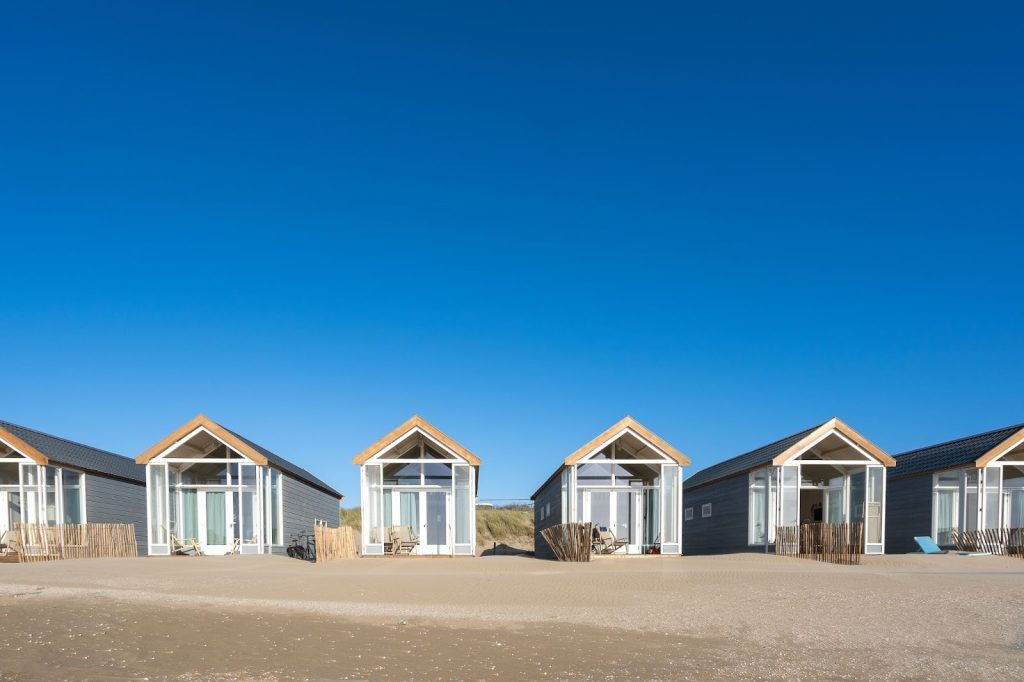
In recent years, the concept of constructing granny flats in urban areas like Sydney has seen a significant rise. With the increasing need for alternate housing solutions and the high real estate prices, many homeowners are exploring this option. Building a granny flat in Sydney can offer both financial and practical benefits by adding value to the property and providing additional living space.
What Are Granny Flats?
Granny flats are self-contained units built on the same plot as the main dwelling. They have their own living area, kitchen, bathroom, and bedroom, making them ideal for elderly family members or even as a rental unit. In metropolitan areas, where property prices are booming, these secondary dwellings offer an excellent way for homeowners to utilise existing space efficiently.
The Financial Benefits of Granny Flats
One of the primary advantages associated with constructing a granny flat is the potential for generating rental income. In cities like Sydney, where the demand for affordable housing is high, renting out a granny flat can be an attractive option for many. This additional income can significantly aid in offsetting mortgage payments or contributing to household expenses.
Enhanced Property Value
Besides rental income, the presence of a granny flat can positively impact the overall value of a property. Prospective buyers often view these additions as beneficial, especially when they are interested in properties that provide options for additional income or housing flexibility.
Ideal Housing for Families and Guests
For families, having a granny flat offers a convenient solution for housing extended family members. It provides them with privacy while ensuring they remain close for support and interaction. Furthermore, when friends or family come to visit, granny flats can serve as guest houses, providing comfort and privacy without imposing on the main household.
Design Flexibility and Customisation
Another advantage of granny flats is the flexibility they offer in design and customisation. Homeowners can work with designers to tailor the unit to meet specific needs, whether it’s accessibility features for elderly residents or additional space for a home office.
Urban Planning and Granny Flats
Urban planning regulations in Sydney encourage the construction of granny flats as part of strategies to increase available housing. These dwellings make efficient use of space and represent sustainable living solutions in densely populated urban environments. Understanding local council regulations and acquiring necessary approvals are crucial steps in the planning process.
Environmental Benefits
Granny flats are not only beneficial for homeowners and tenants but also environmentally friendly. Their smaller size generally means they require fewer resources to build and maintain, contributing to a lower carbon footprint. Implementing sustainable features such as solar panels can further enhance their eco-friendliness.
Cost Considerations
When considering the construction of a granny flat, it is essential to evaluate the costs involved. These may include design, materials, permits, and construction expenses. However, the investment can often pay off, given the rental income potential and increase in property value.
Potential Challenges
While there are many benefits, homeowners need to be aware of potential challenges, such as adhering to regulations and managing the construction process. Engaging professional services can help navigate these complexities efficiently.
Finding the Right Construction Partner
To ensure a successful granny flat project, it is crucial to select the right construction partner who can offer experience, efficient management, and adherence to local regulations. This decision can significantly affect the quality and timeliness of the outcome.
Conclusion
In conclusion, constructing a granny flat in Sydney provides a multitude of benefits, from potential rental income to increasing the value of a property. With the housing market’s challenges, they offer a viable solution for many homeowners. By considering all aspects—from cost to design flexibility—decisions can be made that will serve both immediate and long-term needs. It is advisable for homeowners to weigh their options carefully and seek professional guidance to maximise the potential of their investment.
