

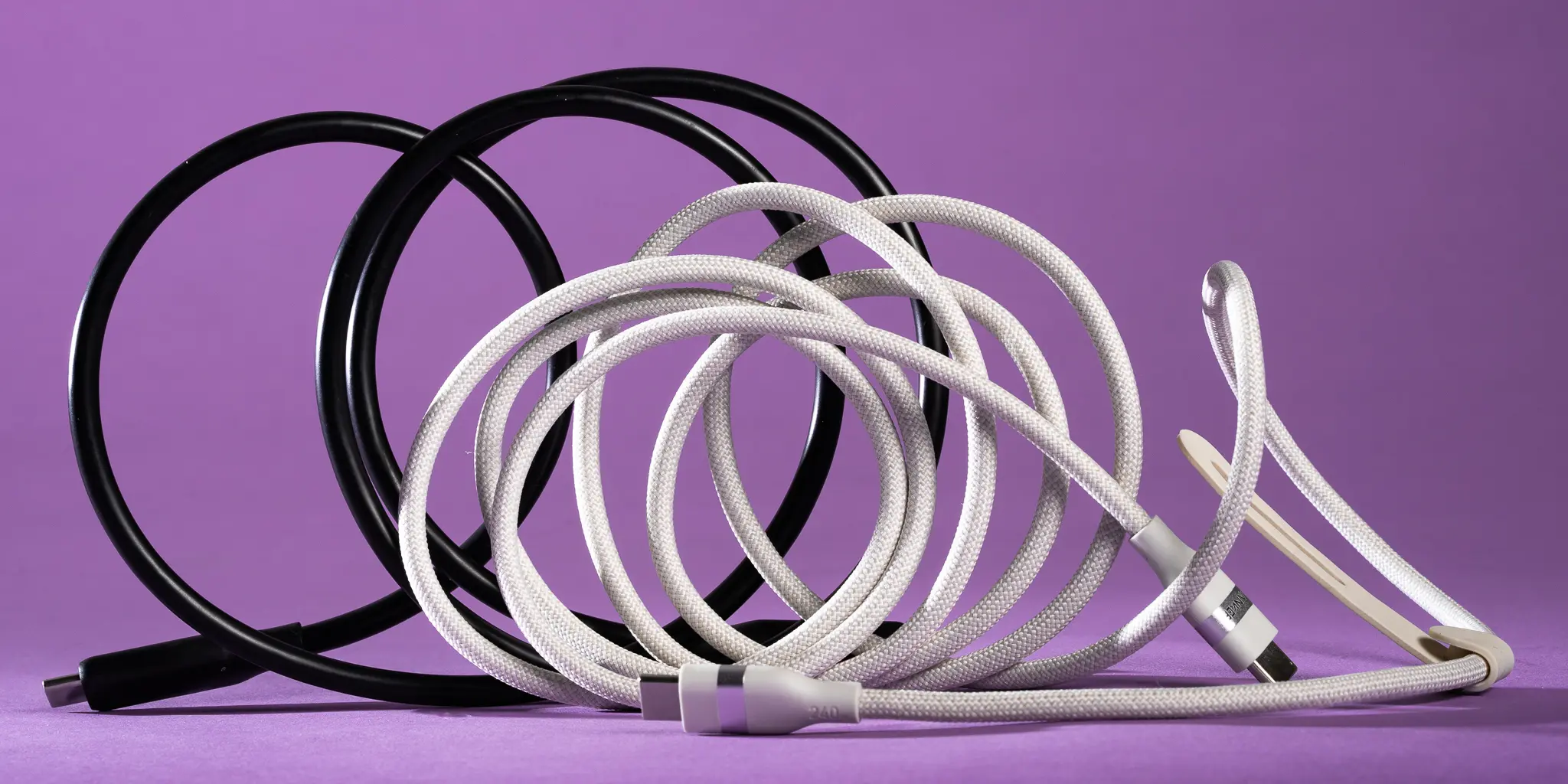
In today’s rapidly evolving technological landscape, choosing the right accessories for your devices is crucial. A significant component among these accessories is the usb c cable. With the universal adoption of USB-C in numerous gadgets, understanding its importance is vital for efficient and effective connectivity.
Why USB-C is the Standard
USB-C has swiftly become the go-to option for many manufacturers when integrating charging and connectivity ports into their devices. Its versatility lies in its capability to deliver power and data at high speeds. Moreover, its small size and reversible design make it convenient for users who demand both functionality and ease of use.
Enhancing Device Performance
The quality of the USB-C cable can significantly impact the performance of a device. High-quality cables, such as those provided by trusted manufacturers, ensure optimum data transfer rates and power delivery, which are essential for uninterrupted interaction with technology. Poor quality cables may lead to slower charging times and compromised data integrity.
Compatibility Across Devices
One of the significant advantages of USB-C is its compatibility across a wide range of devices, from smartphones and laptops to cameras and gaming consoles. This universal applicability reduces the need for multiple cables, streamlining the user’s tech environment and reducing electronic waste.
Faster Charging and Data Transfer
The primary appeal of USB-C is its ability to handle increased power and data levels compared to previous standards like USB-A. This capability translates into faster charging times and efficient data transfer, which is essential for professionals and tech enthusiasts who require quick access to information and power.
Durability and Longevity
Investing in a durable USB-C cable can save time and resources in the long run. High-quality cables are designed to withstand regular wear and tear, making them less likely to fray or break. This durability ensures a longer lifespan, providing value for money and reducing the frequency of replacements.
Choosing the Right USB-C Cable
When selecting a USB-C cable, users should consider factors such as length, build quality, and compatibility with their specific devices. A reliable cable will often include specifications regarding material quality and supported power and data transfer rates, helping consumers make informed choices.
Eco-Friendly Tech Choices
Opting for high-quality USB-C cables from reputable brands not only ensures better performance but also contributes to sustainability. By choosing durable cables, users reduce electronic waste, aligning with environmentally friendly practices and contributing to a healthier planet.
Security Considerations
Using a well-manufactured USB-C cable can enhance security by ensuring data integrity during transfers. Trusted brands implement rigorous quality checks to protect users from potential data breaches or losses that might occur with generic, low-quality cables.
Potential Challenges with USB-C
Despite its numerous advantages, USB-C is not without challenges. The variety of cables available on the market can complicate the selection process for consumers, making it essential to verify compatibility and performance specifications to avoid potential issues.
USB-C in the Future
As technology continues to evolve, USB-C is poised to become even more integral to device connectivity. Industry trends indicate a push towards even higher speeds and power delivery, preparing USB-C technology to support future innovations seamlessly.
Conclusion
The USB-C cable is a cornerstone of modern connectivity solutions, offering unmatched versatility and performance across numerous devices. For consumers seeking reliable and efficient options, investing in a high-quality usb c cable from reputable manufacturers is a wise choice. These cables not only enhance device functionality but also align with sustainable practices, ensuring long-term benefits for both technology users and the environment.
