

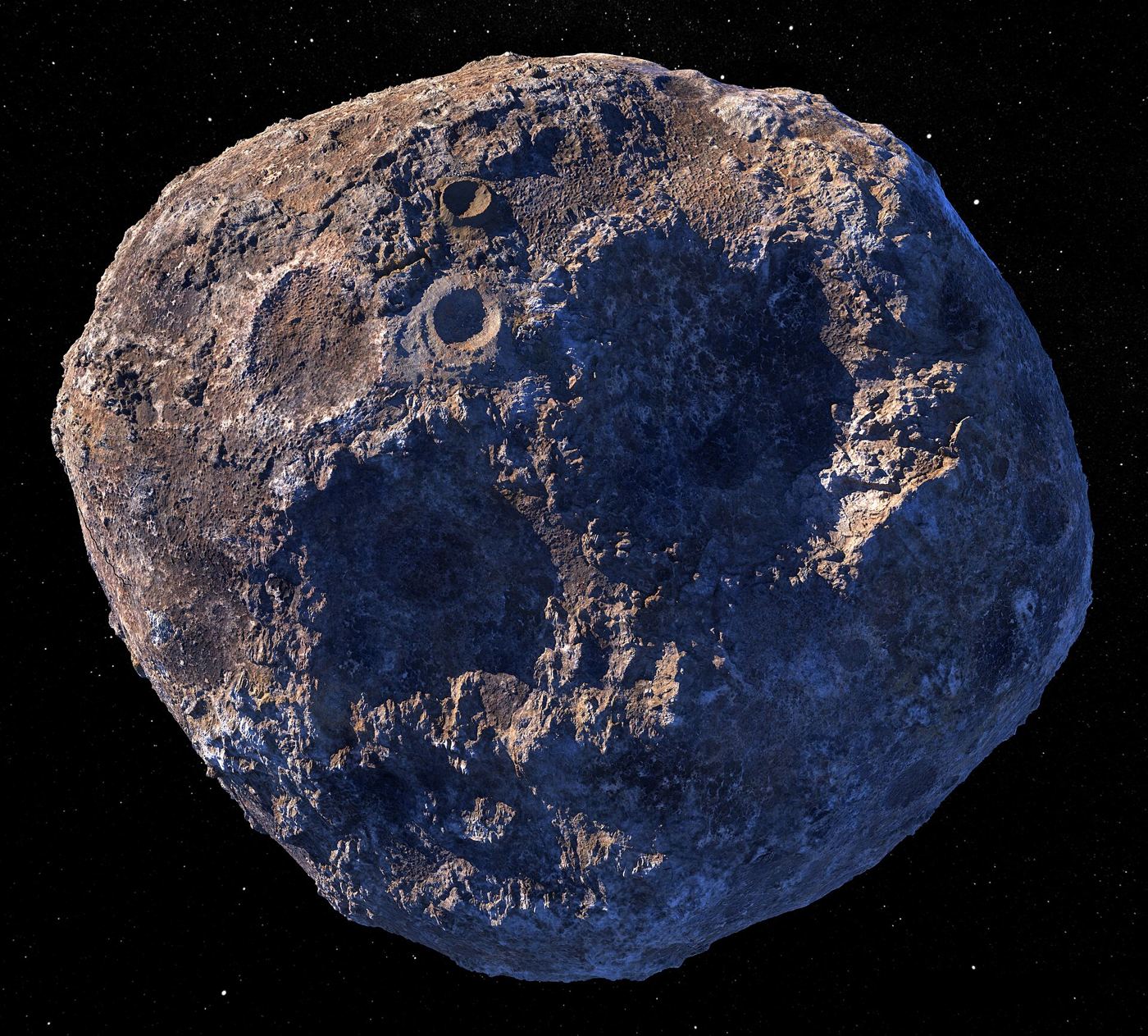
Somewhere above Earth tonight, survey telescopes are scanning the sky for asteroids that nobody has catalogued yet. Most space rocks pass harmlessly, but planetary defence teams work on a simple principle: the earlier a potentially hazardous object is found, the more options humanity has. A discovery triggers careful follow-up observations from observatories around the world, each new measurement narrowing the object’s predicted path. Within days, astronomers can usually say with confidence whether an asteroid deserves continued attention or can be safely removed from the watch list. Regular practice exercises keep this international routine fast, calm and well coordinated. The surveys behind this work have transformed knowledge of the neighbourhood around Earth. Thousands of near-Earth asteroids are now tracked, from large bodies mapped in detail down to far smaller rocks detected only as they pass close by. Each clear night adds a few more to the catalogue, and each addition shrinks the chance of a complete surprise.
What the Evidence Shows
In a typical exercise, participants pretend that a new asteroid might strike Earth years in the future, then work through the decisions that scenario would demand. They test how quickly observations are shared, how uncertainties are explained to officials, and which deflection ideas would be realistic with the warning time available. The scenarios are deliberately demanding, because real discoveries rarely arrive with complete information. Astronomers stress that no known asteroid poses a confirmed threat in the foreseeable future, and that exercises are preparation, not alarm. Like fire drills, their value lies in making a rare emergency feel procedural long before it could ever become real. Public interest spikes whenever a newly found asteroid briefly carries a small impact probability before follow-up observations rule one out. Teams have learned to communicate through that cycle openly, publishing updated odds as the orbit improves rather than waiting for certainty. The pattern is reassuring once understood: an early uncertainty that shrinks as evidence grows. Reporting and analysis from sources such as National Science Foundation track the same developments, and specialists following planetary defence say the direction is now consistent across independent lines of evidence.
The Wider Context
The wider context is a research landscape in which replication and open data now decide reputations. Findings connected to planetary defence are being checked by independent groups with shared datasets, and the teams involved publish their methods in full so rivals can test every step. That discipline is slower than a headline cycle, but it is why results in this area increasingly survive first contact with scrutiny.
What Happens Next
What happens next in the story of planetary defence will be decided by follow-up work already under way: larger samples, longer observation and instruments that have not yet come online. The researchers involved are unusually united on one point, that the current results justify the next investment of time and money. Readers will not have to wait long for the first tests of that claim. You can follow related developments in our coverage of science.
There is a practical lesson in all of this for readers deciding what to do today. Start with the verified facts, be wary of anyone promising certainty, and prefer reversible steps while the evidence is still developing. Circumstances differ by country, income and personal situation, so general guidance should always be weighed against your own context before you act on it in any significant or lasting way.
