

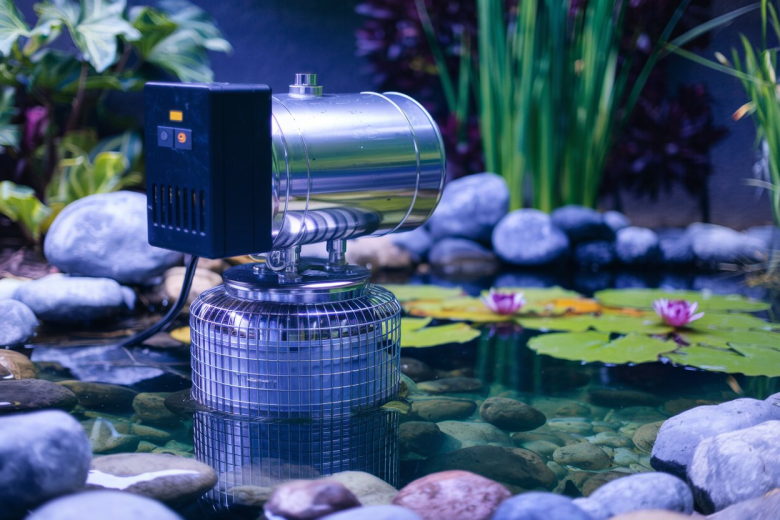
A pond does not stop working just because temperatures drop. Leaves continue to break down beneath the surface. Fish still produce waste. Organic material settles at the bottom and slowly decomposes. Even though everything happens at a slower pace, the pond ecosystem remains active. Problems often begin when ice covers the pond surface for long periods. Once that happens, oxygen exchange becomes limited, and unwanted gases can become trapped under the ice.
Many pond owners are surprised to learn that winter fish losses are often linked to poor water conditions rather than the cold itself. This is one reason heating a pond can be beneficial. Most Pond Heater is designed to keep a small area of the surface open rather than warming the entire pond. That opening allows fresh oxygen to enter while giving harmful gases a way to escape.
A Pond Heater Does More Than Protect Fish
The biggest misconception about winter pond care is that heaters are only for fish. In reality, a properly sized heater pond system can help support the entire aquatic environment. Better gas exchange creates more stable water conditions, which benefits fish, beneficial bacteria, and filtration equipment alike.
Ponds are less likely to encounter issues like bad odors, murky water, or excessive waste accumulation if water quality stays stable throughout the winter as temperatures start to rise again.
A heater can be thought of as a support system. While it does not replace filtration or maintenance, it contributes to the conditions necessary for those systems to continue operating efficiently.
The Overlooked Relationship between Heating and Filtration
Many pond owners view heating and filtration as separate parts of pond care. In reality, they work best together. A pond filter removes waste before it has a chance to create larger problems. Mechanical filtration captures debris, while biological filtration supports colonies of beneficial bacteria that naturally process harmful compounds.
During winter, these bacteria become less active. That makes maintaining stable conditions even more important. Advanced filtration systems, including those offered by Aqua bead, are designed to support biological balance while helping keep water clear. When paired with sensible winter heating, filtration systems often perform more consistently throughout the season.
The result is a pond that enters spring in far better condition.
Why Koi Ponds Often Need Extra Protection?
Koi are known for their beauty and hardiness, but they still depend on stable water conditions. A quality koi pond heater can help prevent some of the challenges that winter creates. When oxygen levels remain healthier and harmful gases can escape, fish experience less environmental stress.
Koi also tend to gather in deeper areas during winter. If water quality declines beneath the ice, those fish have fewer opportunities to move away from unfavorable conditions.
For this reason, many experienced pond owners consider winter protection just as important as summer maintenance.
Some hobbyists search online for a coy pond heater, but the goal remains the same: creating a safer and healthier environment for koi during cold weather.
Choosing a Heater That Matches the Pond
Not every pond requires the same solution. A decorative water garden with a few fish has different needs than a heavily stocked koi pond. Choosing equipment based solely on price can sometimes lead to disappointing results.
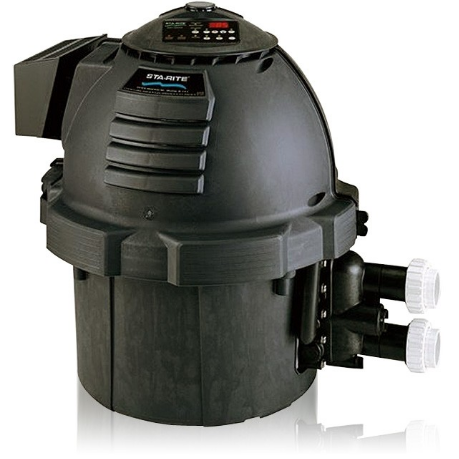
A small pond heater is a good option for small ponds, patio water features or smaller garden installations. Larger ponds usually require more powerful equipment to handle larger surface areas and colder temperatures.
Before purchasing any heater, pond owners should consider:
Pond total volumn
· Winter temperatures, average
· fish populations
· Depth of pool
· Existing circulation equipment
Matching the heater to the pond’s actual requirements usually leads to better performance and lower operating costs.
The Winter Mistake Many Pond Owners Make
One common mistake is assuming filtration can be ignored until spring.
Although biological activity slows during cold weather, waste does not magically disappear. Leaves continue decomposing, fish continue producing waste, and organic matter continues collecting at the bottom.
Without proper filtration, these materials can affect water quality throughout winter.
A functioning filtration system helps:
Ø Capture debris before it accumulates.
Ø Improve water clarity
Ø Reduce excess organic waste.
Ø Support beneficial bacteria
Ø Maintain a healthier pond environment.
Keeping filtration systems in good condition during winter often makes spring pond maintenance much easier.
Warning Signs That a Pond Needs Attention
Ponds usually provide clues when something is not quite right.
Signs that additional winter protection may be needed include:
· Ice covering the entire pond surface
· Water is becoming unusually cloudy
· Fish gathering near openings in the ice
· Reduced circulation
· Unpleasant smells
· Excessive debris accumulation
Addressing these issues early with proper filtration and a suitable pond heater for winter can help avoid larger problems later.
Small Winter Habits That Pay Off
Successful winter pond care rarely involves complicated routines. Simple habits often make the biggest difference. Remove leaves and debris whenever possible. Check that pumps and filtration equipment continue operating properly. Inspect heating equipment regularly and make sure it is keeping a section of the pond surface open.
It is also worth paying attention to fish behavior. Fish often provide the earliest signs that water conditions are changing. A few minutes of observation every week can help catch potential issues before they become serious.
Keep the Pond Ready for Spring
Winter pond care is really about preparation. The choices made during the cold months often determine how healthy a pond looks once warmer weather returns.
A dependable pond heater, effective filtration, and regular maintenance work together to create stable conditions for fish, plants, and beneficial bacteria. While every pond is different, maintaining water quality should always remain the priority.
That is why many pond enthusiasts continue to rely on proven filtration technologies such as Aqua bead. When strong filtration is paired with sensible winter protection, ponds are better equipped to stay healthy, balanced, and ready for another successful season.
FAQs
What does a pond heater actually do?
A pond heater helps keep part of the water surface from freezing, allowing oxygen to enter and harmful gases to escape during winter.
Is a koi pond heater necessary in every climate?
Not always. In milder climates, a heater may not be essential. In colder regions, it can provide valuable protection for fish and water quality.
Can a pond survive winter without a heater?
Many ponds can, but complete ice coverage may create water quality and oxygen-related issues that affect fish health.
Should pond filters stay running during winter?
In many situations, yes. Filtration continues helping with waste removal and water quality management throughout the colder months.
